


Darwin and I have been speaking for just 23 minutes when he confesses.
I’m seated on the couch in his living room, him in a pale plastic chair to my left, as he begins to speak of his wife, Shiela, and I can see the tension build in his chest, his breaths shortening, the inhales sharper, more sporadic, as he remembers the love they had, the struggles they’ve endured, the worries he has for their future, for the family, for this life they have spent years trying to build.
“To tell you honestly, we’re not doing good. Shiela and I are not good…the love became weaker. The romance is not that much,” his voice cracking as he says the last words, “It’s really sad. I know it’s my fault. I’m not perfect.”
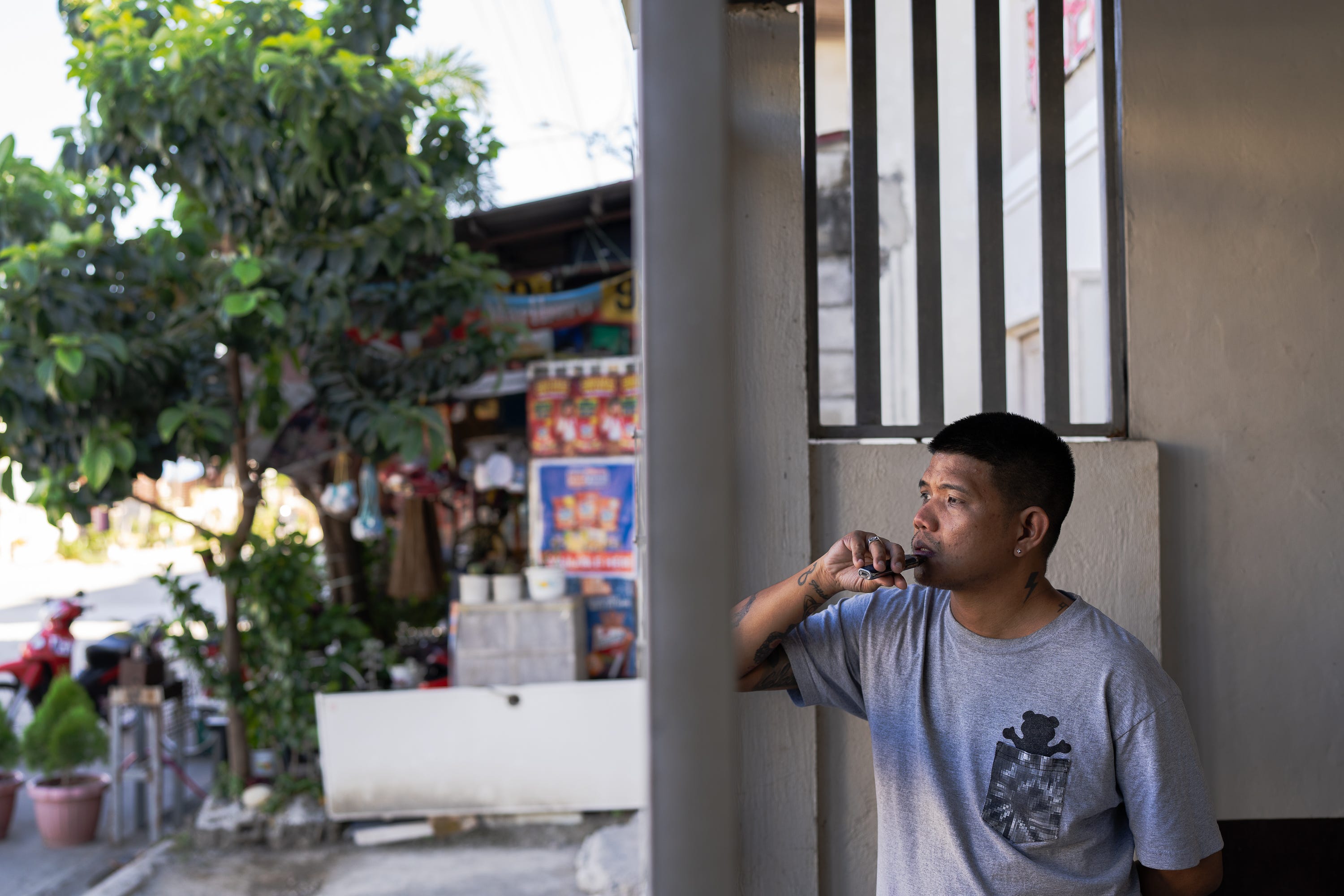
Two fans sit on the ground, droning quietly as they move pockets of thick summer air through the room. The front door is open wide and the measured, vowel-heavy patter of Tagalog drifts in from the small kiosk his neighbors run next door. Darwin’s 11-year-old son Shann sits a few feet away from us at the computer, headphones on as he plays Roblox with his friends online. Shelwin, his 16-year-old son, is upstairs sleeping off the long school week with its early wake ups, endless chores and late nights studying, the rhythms of a kid who has needed to grow up quickly.
Shiela bought this home in Santa Maria, a small town just two hours north of Manila. It was one of the reasons she went abroad. Working six days a week caring for another family in Hong Kong, raising children that are not her own, in a language and love that doesn’t flow naturally, an act she still muscles her way through as she cooks them food she doesn’t have a taste for, cleans nappies, organizes toys she can’t help but want to give to her own. This family she supports so she can support her own, so she and Darwin could build something together, the dreams of two young college sweethearts who unexpectedly spun out a whole world, their own little constellation of choices and responsibilities and love and loss from the hot ache in the sweat of it all.
And they have, for this home is theirs now, the car and motorcycle parked outside, theirs, the food in the fridge, now a given, Shiela’s foreign salary putting in the work and Darwin’s job as a call center supervisor keeping the daily costs covered, and this life of theirs began to grow and take shape, and they began to live it, their kids in private school, the clothes on their back no longer threadbare, and they began to enjoy it, this fruit of their labor, their sacrifice, for it is for them, all for them.
But the pressure has built, brick by brick, month after month, year after year, the miles between them piling up, the distance and routine seeping into their evenings, their collective life exchanged through voice messages and video calls, the stillness settling into a widening gap between all that’s lived and all that’s shared, and gradually something shifted, a key ingredient left out of the mortar, for where did we go, where are we now, what happened to us, and the weight of everything they’d raised began to press down on what it was built on. And it’s buckling now. The foundation is buckling.
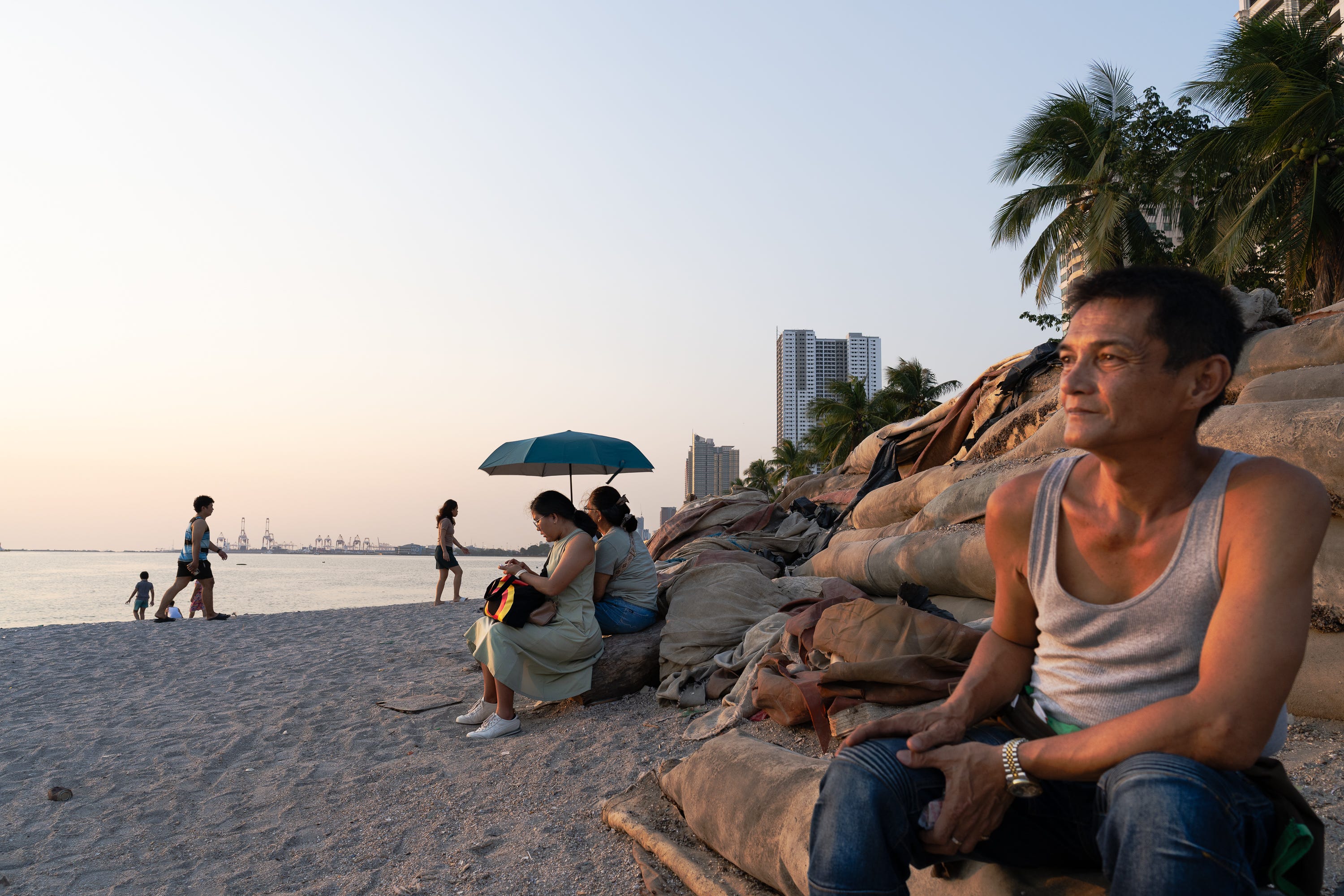
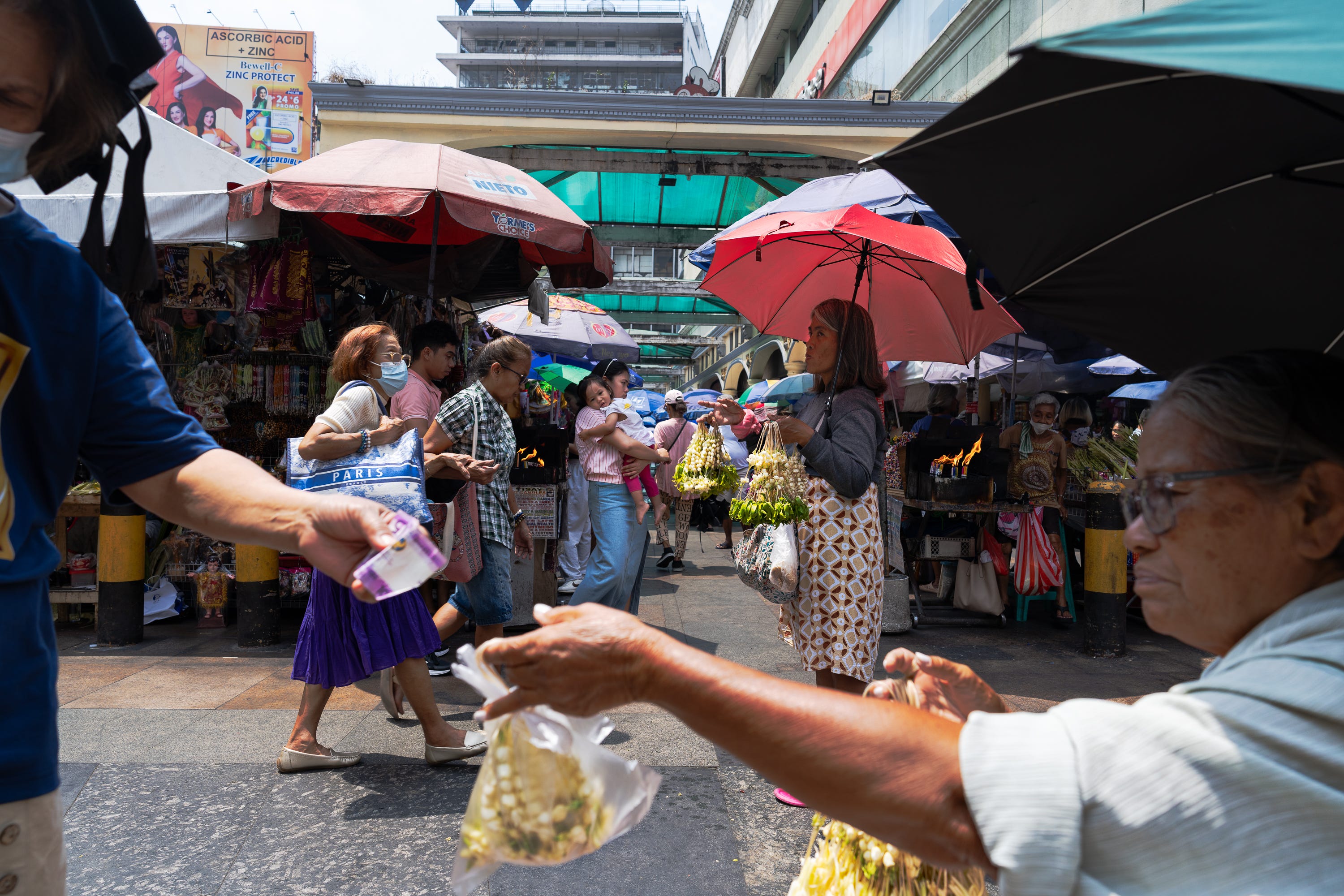
More than two million Filipinos go abroad every year for work. It is a global heavyweight in overseas labor, its sons and daughters radiating out across the globe to construct the buildings and raise the children and crew the ships and mop the homes of the world’s wealthy, their salaries boomeranging back to fuel the entire country.
Filipinos have been on the move for hundreds of years, pouring out along the trade routes of Spanish colonizers, into the sugarcane fields of Hawaii as Sakadas, the canneries of Alaska as Alaskeros, but the system as it exists today, this vast architecture of Goodbye that has been so deliberately built, was born out of necessity. When the oil crisis of ‘73 tore across the world it collided with a Philippine economy that was already on its knees from martial law and soaring unemployment. The Gulf states, however, were flush with cash and desperate for labor as construction booms erupted across Riyadh and Kuwait, Dubai and Doha, entire cities miraculously sprouting from the sand. Then-President Ferdinand Marcos saw an opportunity and so in 1974 he began to build the machinery to send his countrymen and women across the seas, a short-term fix to tide the economy over as it struggled back to its feet.
But the demand kept growing, these new oases in the Gulf gushing with untold wealth, the wealth itself needing people to make it real, and the jobs at home stayed scarce, their wages low, and so Filipinos kept leaving, a few thousand a year in the early 70s became hundreds of thousands in the 80s, and more than a million by the early 2000s. Laws were passed, whole ministries created, and the numbers kept climbing, because the money was good and who turns a good thing down, and the more the cash flowed the more the country leaned in, and the more it leaned the more it built to protect it, and the more it built the more permanent it all became, the fix becoming a structure, the structure becoming a loop.
While the first waves were men, by the 80s and 90s the demand shifted and women began to dominate the flows as domestic workers and caregivers and nurses heading to Hong Kong and Singapore, London and New York. Today roughly 60% are women with 70% of them cooking and cleaning in what the government deems “elementary occupations”.
Remittances hit $36 billion in 2022, nearly nine percent of GDP. The country now ranks among the top remittance recipients in the world and that money serves its purpose, boosting the economy in a way no domestic industry has been able to replicate.
But it also makes the whole arrangement feel necessary, for every dollar and dirham sent home needs to be exchanged to be spent, and so the value of the peso climbs, its price juiced by this torrent of wages sent home in such volume that Filipino-made goods struggle to compete on global markets, in turn weakening domestic businesses, the very places that should be employing workers at home. And so the more foreign money flows in, the more leaving becomes the only way forward.
The country’s educational system has also swerved toward overseas demand, with nursing enrollment tracking foreign hospital demands, maritime academies tailoring its sailors to the requirements of international shipping lines, technical schools training workers for the job markets that will receive them. The entire society tacking toward export. Nearly half of Filipino children between ten and twelve say they are open to working abroad someday. They grow up watching their parents leave and they learn that this is what you do, this is how love works, this is how a family provides.
The absence of these mothers and fathers is now such a natural feature, so everyday that it’s overlooked, it is simply life in the Philippines, the recurring solution to life’s inevitable left turns. It’s how Shelwin began dressing his brother as soon as he could dress himself. How Shiela ended up in Hong Kong.
Shiela became pregnant in her and Darwin’s second year of college, the two of them studying to become teachers when this unexpected gift arrived. Shelwin. They were just 22 and so they dropped out, shifting visions of the future, adjusting plans to this new reality.
“You should have seen Rob when he was born,” Darwin says, referring to Shelwin by his nickname, “he was just so cute, so fat. I couldn’t believe we were so lucky.”
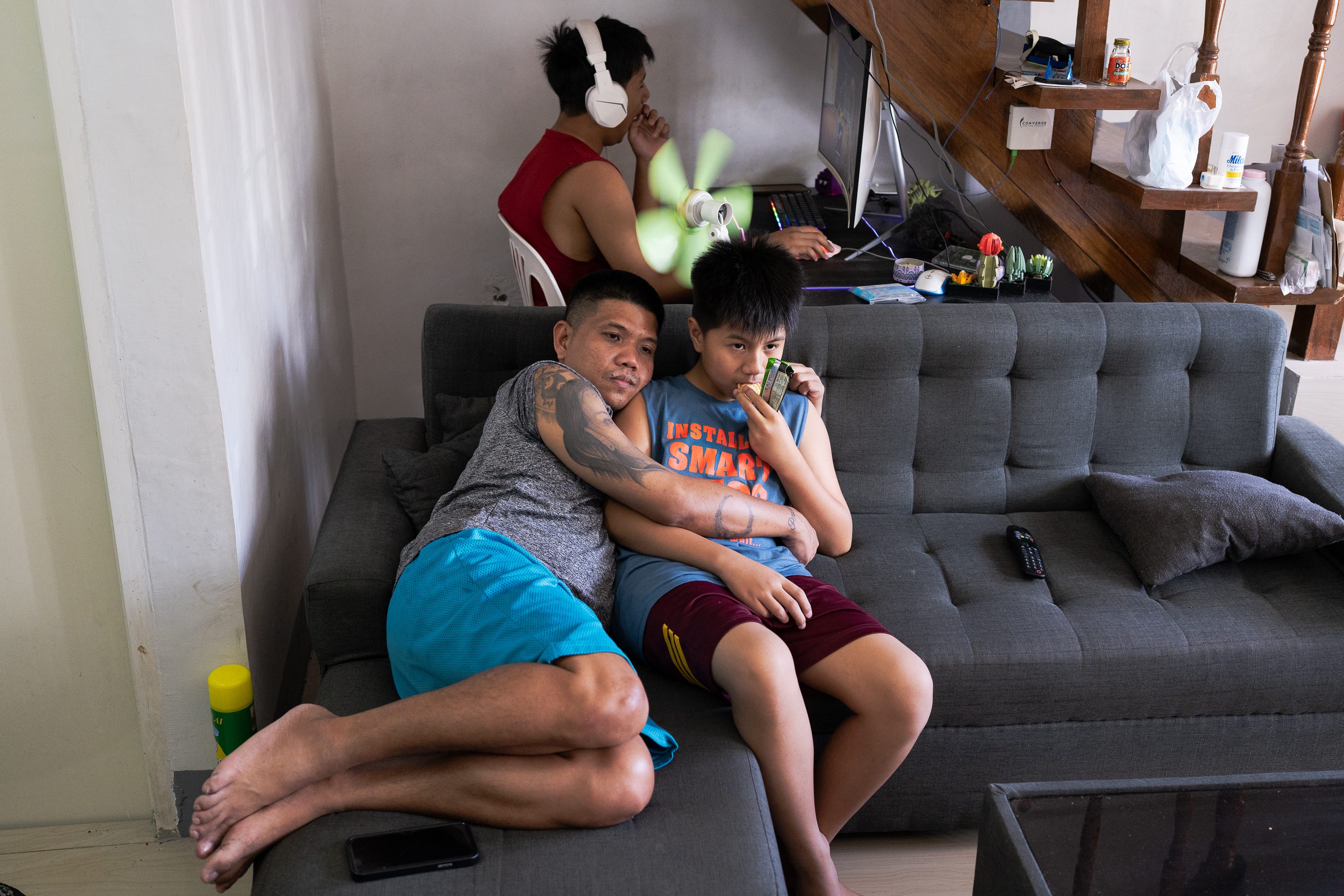
And that newfound joy, the beauty and ache and love for this world he and Shiela had created, fueled him as he scrambled to make the pieces work, to put enough on the table, and so he donned a hair net and apron and got behind the counter at Chowking, a local fast food chain, then sold clothes, then worked graveyard shifts as a call center operator for a US company, anything to cover the costs. To provide. To transmute this growing love and pride into food and nappies and a bed to sleep in, the three of them wrapped up together on a mattress on the floor.
“We were poor and life was simple. We’d have maybe 100 pesos (~$1.60) just for the whole day, but we were happy. We were happy.”
When Shann was born the hunger to do right by it all only grew.
Darwin got his license and began driving, pulling 12-hour days to cover the costs of the rental and bring in enough to survive the day.
“We’re not expecting much,” he says of those days. “We’re not thinking anything, you know, just to get by, just to finish a day, you know, we don’t have a goal yet. We just want to live. We just want to give the kids something to eat every day. That’s it.”
But he knew they would have to start building sooner or later, have to get ahead of the day-to-day churn.
In 2016, when Shelwin was six and Shann was two, Darwin’s friends told him about the money they made driving on ride-sharing apps in metro Manila. And even though he was still new to driving the money was good and so he signed up, got behind the wheel of a rental and threw himself into Manila’s chaos. He didn’t even last a day.
He called Shiela just after the accident. He was unhurt but the car was totaled. “I was really crying then because we don’t have money to pay, we don’t have money to feed my kids.”
Shiela was steady on the other end. It’s okay, she told him. We can do this.
“I don’t know what to do,” he remembers thinking. “I don’t really have any idea. But she’s thinking her way to help me out.”
And her way was out. A friend had told Shiela about work in Hong Kong, about using a job there as a stepping stone to the US or Canada. Two years, she told Darwin. Two years and then she’d move on, get them all out, and they could all be together in the west with relatives. And he could see that bigger picture, he says, what it could become and even though the kids were young, and even though the distance was daunting, they could see the potential, and so she put the pieces in motion, this pathway out of debt, to solid financial ground, to stability for the kids, for the family, to something bigger, to build and grow and nourish this project of theirs, for they were a team and they could do it, together they could do it, Darwin going back to working nights at a call center, moving his way up the ranks, his mother taking the kids during the week, Shelwin stepping up as older brother, all of them chipping in to keep their life in motion as Shiela began to build the foundation for something bigger from afar.
Some ten million Filipinos work abroad and in a country where families are large and intertwined, where grandparents and cousins and siblings pile into the same homes and day-to-day routines, that means millions of children growing up around some kind of absence or another. The government calls them Bagong Bayani, or “New Heroes”, a term that has been repeated so often, become so ingrained, that it’s rattled loose from its meaning, the way adiós once meant “go with God” and now just means “bye”. Heroes. Go with God.
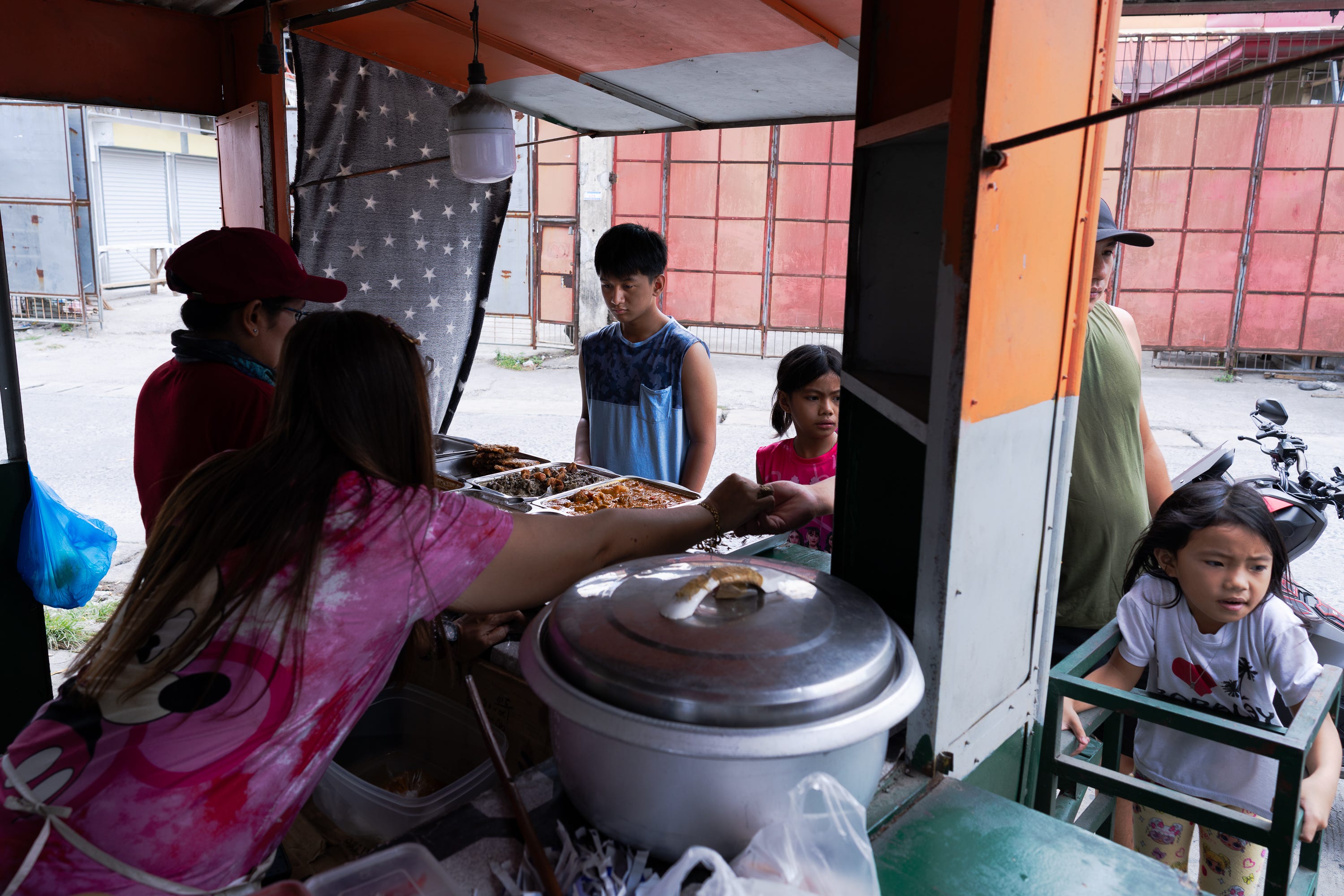
And the children adapt. Like Shelwin, they learn to wake themselves before dawn, pack their own lunches, do the dishes and keep the home running as they step up into a kind of mini adulthood. They attend better schools and do better in them, with forty percent of migrant children attending private schools compared to just fifteen percent of their peers. But the research also shows that these children are, on average, sadder, lonelier, even when they’re proud of their parents. And it’s this pride, this knowledge of everything their parents do for them, that keeps them from voicing their heartache in the first place.
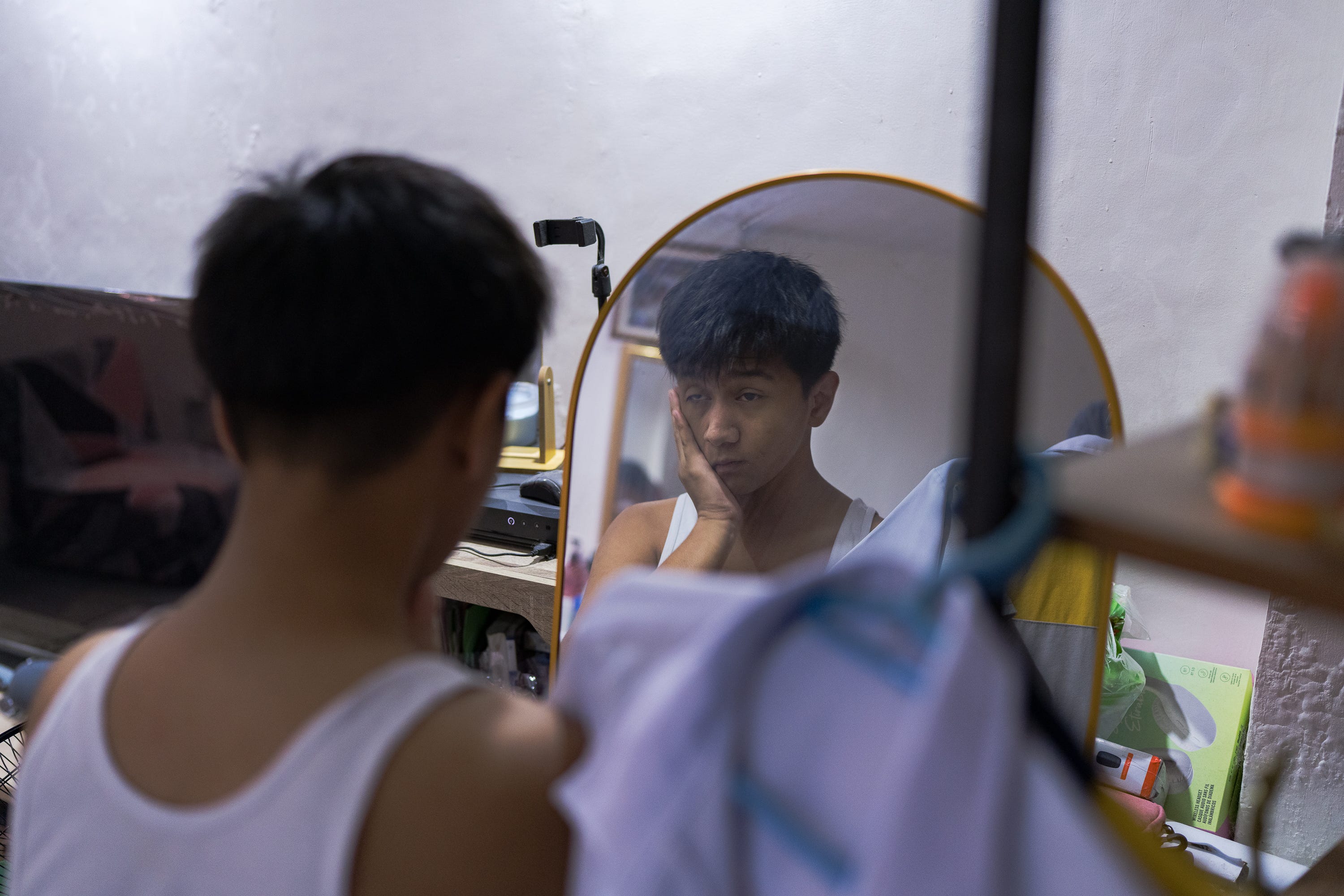
Because children learn a kind of emotional accounting long before simple arithmetic. As their parents have left to build them a better life, they’ve tallied the credits and debts and learned that love travels as money and balikbayan in one direction, and as gratitude and achievement in the other, that parents are sacrificing for you and that the best way to honor that is to want little and do more, be more, to make their sacrifice worth it, to never let on to what it has taken from you.
Maruja Asis, a migration scholar at the Scalabrini Migration Center in Manila, has heard this language from children across the country for years and when I described to her what I was hearing in the living rooms of Bulacan, the word “sacrifice” reiterated again and again, she finished the sentence I had just started. “I don’t want to burden them,” she said. This constant calculation of need vs. want vs. debt.
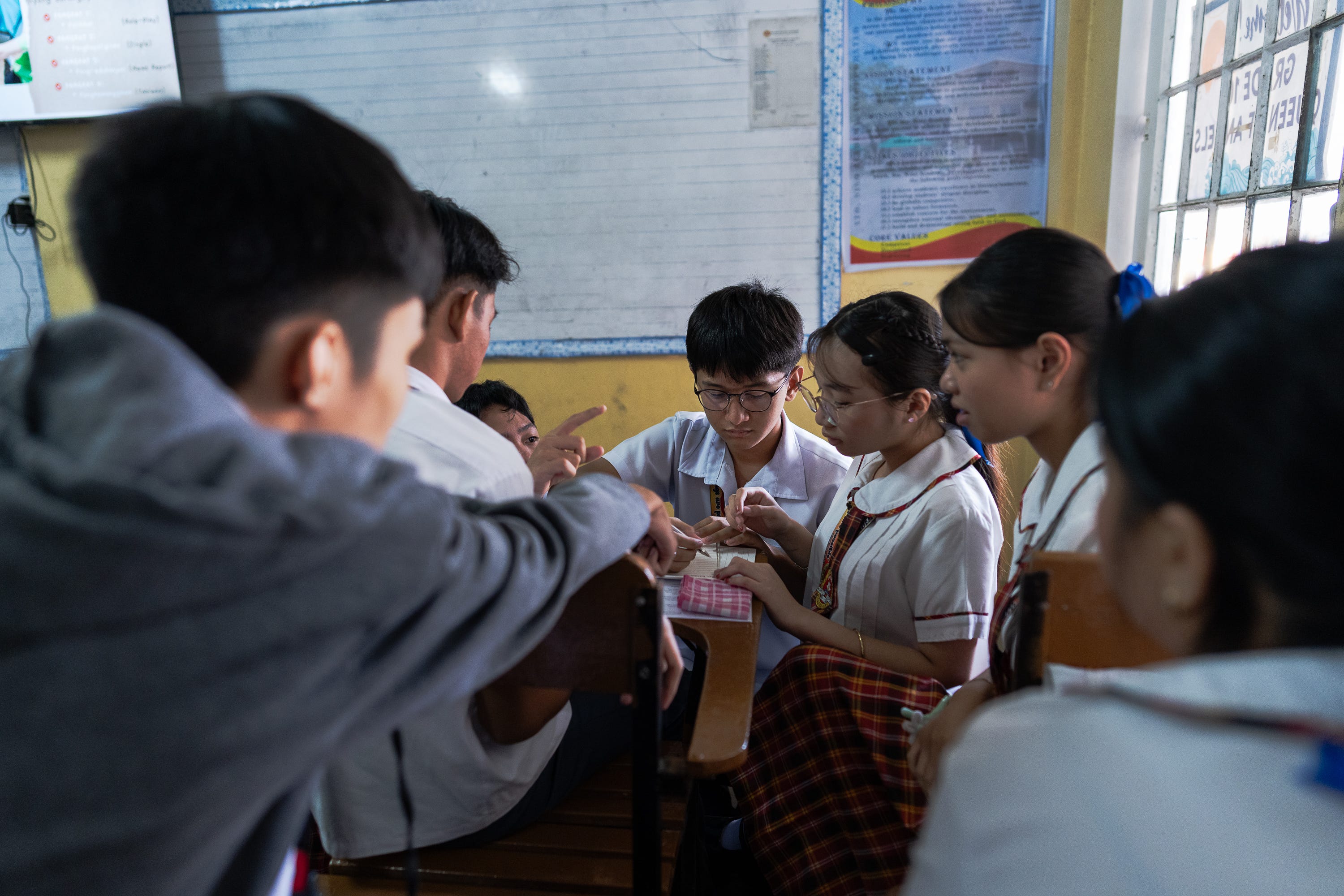
Shelwin has learned it well. His thick black hair is neatly groomed, and he carries himself with some contained seriousness of someone older than his sixteen years, his black glasses and loafers and pressed white button-up shirt giving him the look of a small professional, an accountant maybe, or the architect he hopes to one day become. But his face is still soft, tender, almost at odds with the responsibilities he shoulders, with the way he cooks his brother’s morning eggs, serving the plate up formally at the table. He is shorter than his friends, but clearly their leader, the one who teaches them how to play volleyball when they don’t know, coaches them through classwork, a maturity and seriousness and authority that sits just above the surface and is occasionally disrupted by the nature of a teenage boy, all energy and exuberance as he laughs on the floor with friends or plays volleyball in the house with his brother.
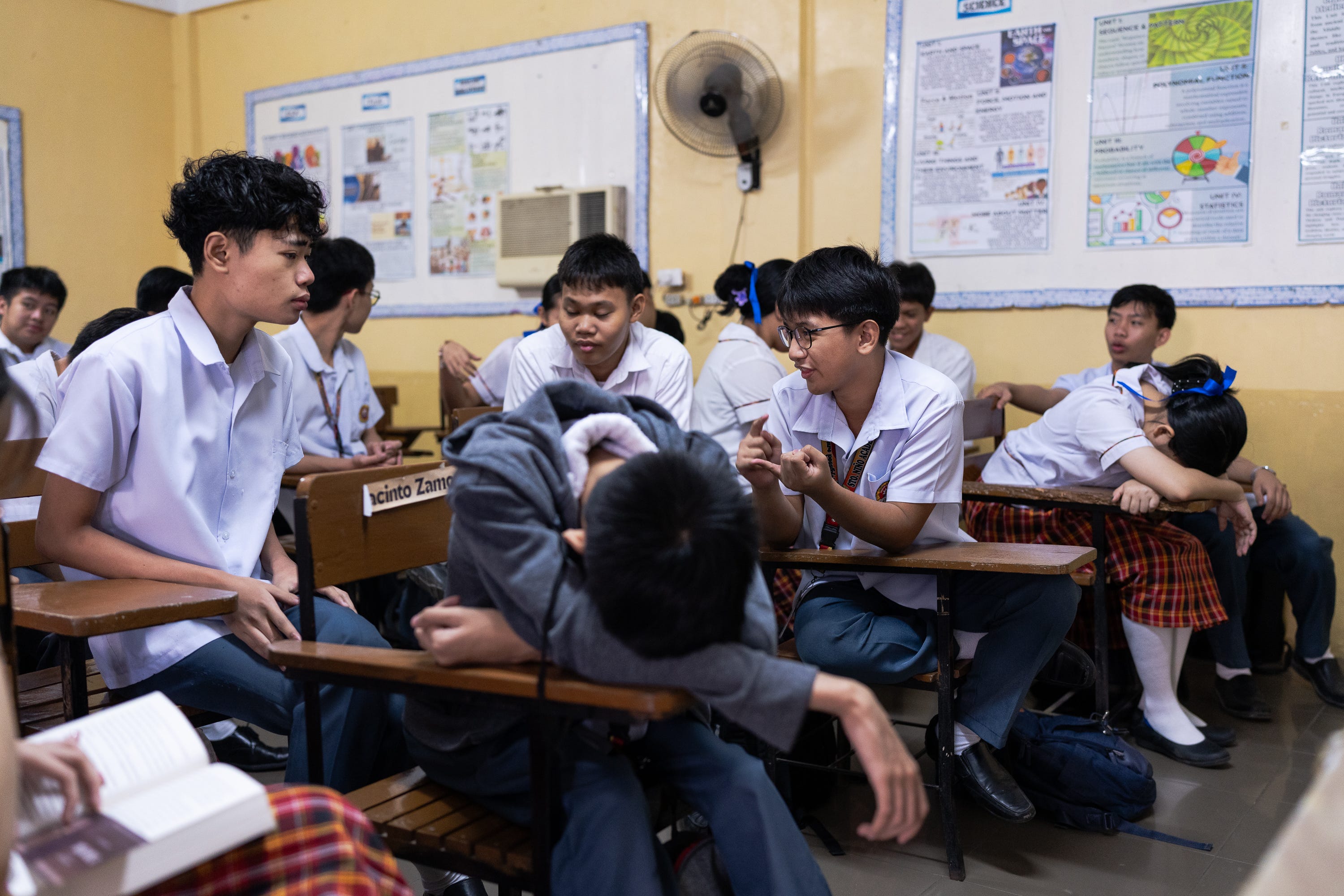
He was six when Shiela left. “It happened really fast and they didn’t really tell us anything,” he says of the day Shiela left for training in Manila, “I was just shocked. I don’t remember what was going on in my mind, but I remember I was really shocked.” And then the reality that she would be farther than Manila, that the very ground beneath his feet had shifted, that this new configuration was the new norm, “It was hard thinking that my mother, the one that’s taking care of me, is going away somewhere far to take care of someone else.”
Two years. That was Shiela and Darwin’s hope, that was the goal, but the Canadian visa applications failed and the cost of each was high and so why not keep working in Hong Kong, keep making this money that was good and stabilizing, why not keep saving up, keep them on this path at least, because soon we can buy a car, and then a house and then a motorcycle and now that we have those we need to keep up with the payments, and the kids are in private school, they have tutors, and everything costs and so two became four became six became eight, the end of each contract always coming just a bit too soon, the numbers still just a touch too tight.
But distance does not remain abstract for long. It becomes interpretive. It demands to be explained, and in the absence of answers we often explain questions against ourselves.
And there is a moment Shelwin remembers clearly as he sat on the couch in his grandmother’s living room when his great aunt began teasing him, telling him that his mom had a new kid now, someone to take care of, that she was leaving them. “I cried and I bawled my eyes out,” he says, “Mama’s taking care of another child, and I’m thinking of the possibility now she might forget about us.”
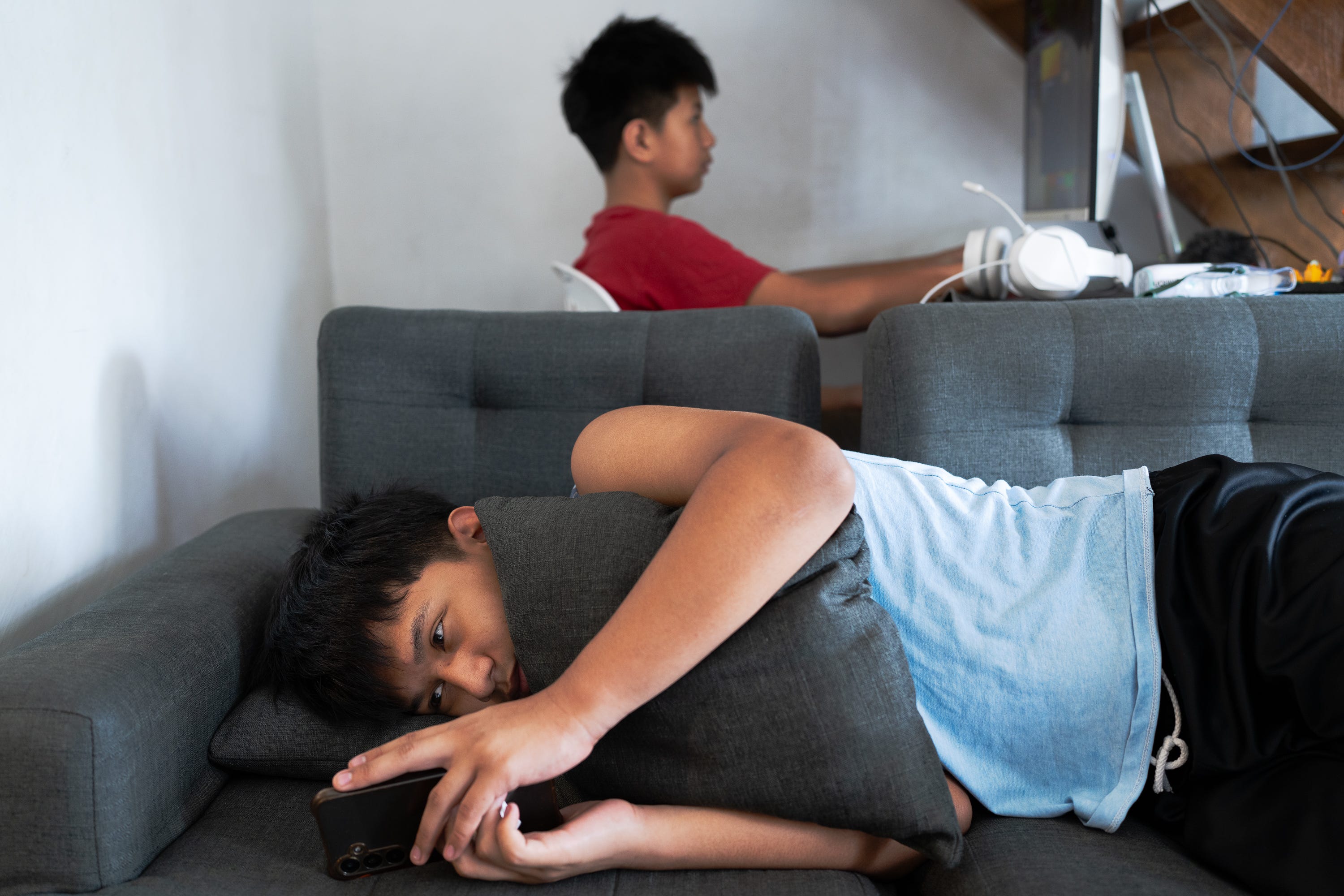
Because what if those other kids were better, what if she learned to love them more, what if life had somehow turned inside out and her trips home were actually now visits, breaks from her actual life to carry out obligations in the Philippines, what if the distance wasn’t just some passive number but something real, forceful, and had changed the very nature of things the way temperature turns water into ice, this phase change of his world, their love.
Nearly ten years later Shiela is still in Hong Kong, Darwin now the call center supervisor, his graveyard shifts still pulling him from the kids’ days and nights, and Shelwin is a teenager, an honor student, waking at 4:30 during the week to clean dishes and gather clothes and prepare breakfast for Shann. By six they are out the door of their grandma’s house, walking to the motorcycle taxi that takes them to school. On weekends they stay with their father at their house in Santa Maria and Shelwin retreats into homework and his drawing books, the pages their own respite. “It mutes all the sound around me,” he says, the chores and dishes and homework, all the noise from all he does finally falling by the wayside. “It makes me calmer, it makes me relax... It’s my way of rewinding.”
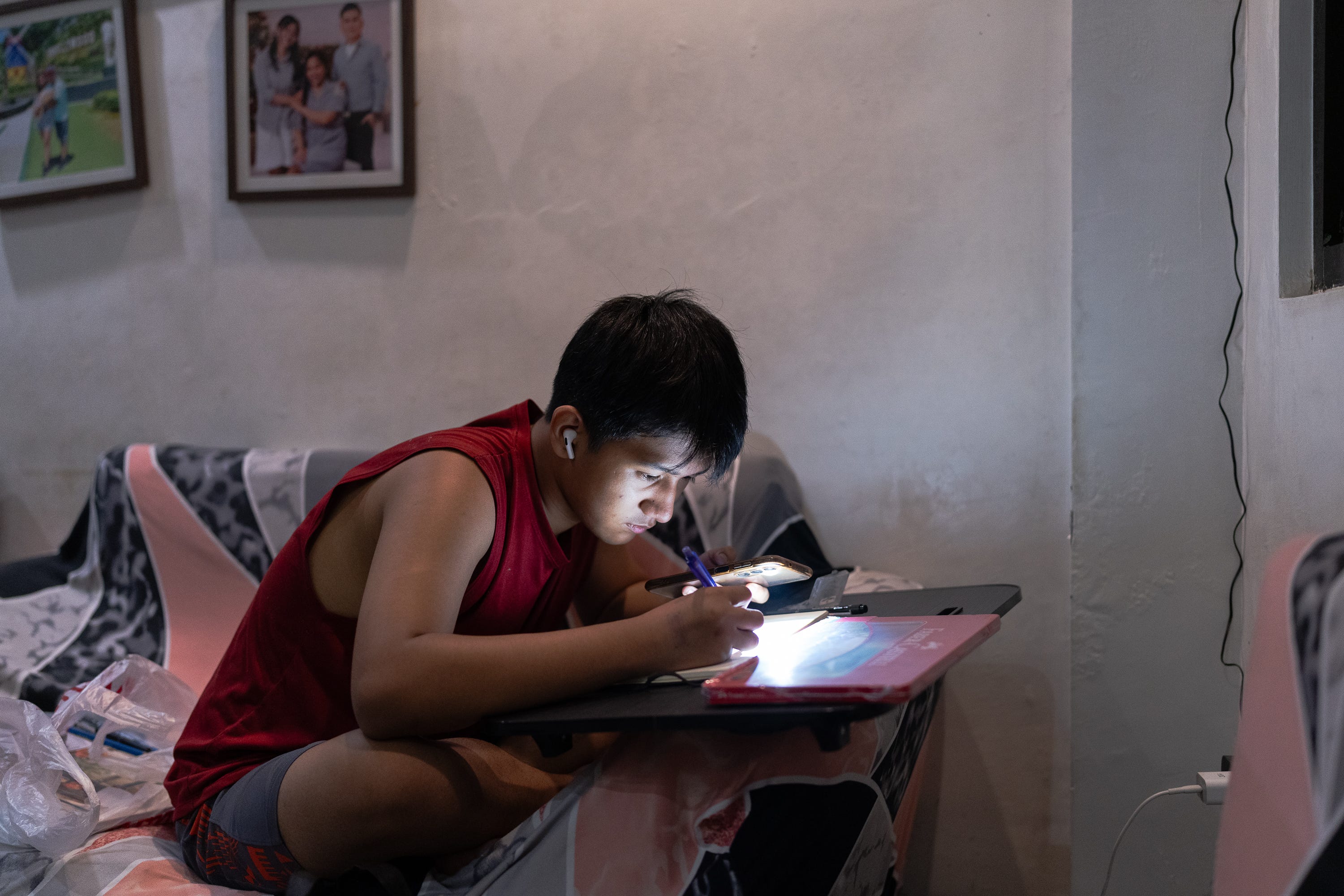
He doesn’t ask his mother for things and it’s something he’s proud of, this discipline he has built around not needing, not wanting, not adding to the weight his parents already carry. The sketchbooks he shows me, their pages filled with faces and phrases, emotion and expression, he bought himself, saving from his daily allowance, forgoing the lunches they were intended for in order to save peso by peso, meal by meal. “I feel really proud because I can buy myself things that I want without asking my parents, without giving them another burden.” His old phone, screen cracked and barely working, was another trophy of his asceticism, secreted for months until Shiela finally caught on from afar, repeatedly insisting on buying him a new one, something he still resisted until she finally just had one delivered. Even his own body he tried to negotiate as the world became increasingly fuzzy around him, and he knew he needed glasses, but they were expensive and so he waited, squinting as the chalkboard in class increasingly blurred, until it became impossible to ignore. “I feel guilty when I’m asking her stuff,” he says.
There’s the knowledge of what it takes his parents to provide, but also the understanding that he’s not the only one. When his mother is home she’ll often take the kids out shopping and Shann is more freewheeling with his desires. Shelwin knows that. “I need to keep my head down and just be quiet for the moment and don’t ask a lot of things,” he says, “I need to balance it out.” It’s made him thrifty, he says, but far beyond dictating what he does and doesn’t buy, it has changed the way he moves through his own family, the emotional space he allows himself, the needs he voices and the ones he swallows, the small calibrations of a kid who has taught himself to take up less room so that the people he holds dear can have more.
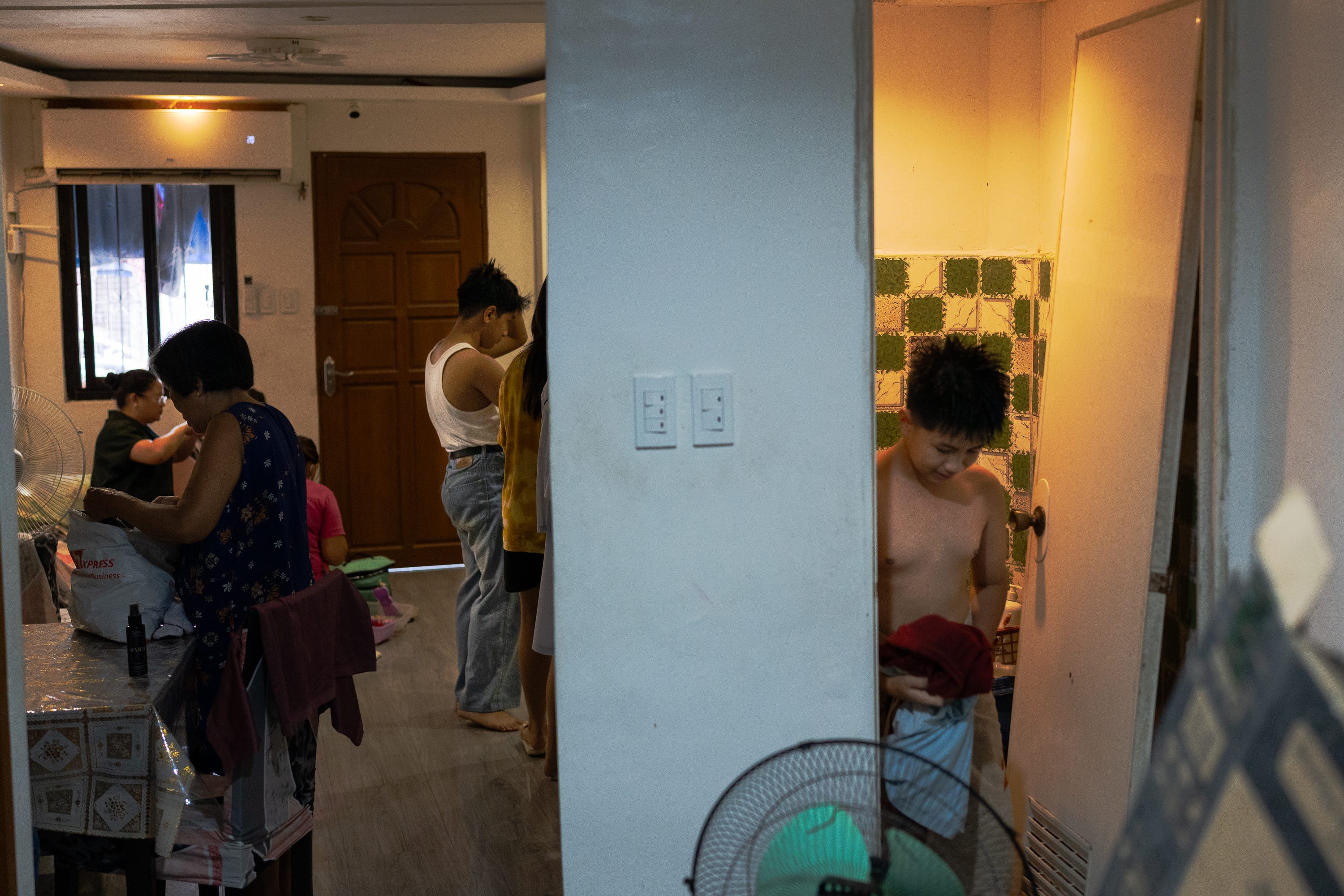
For a family is a system, a place where the food and phones and love and frustration each carry their cost, each leave their mark, a grouping bound by the same laws as any other, where nothing is created from nothing and nothing arrives without something, somewhere, giving it up.
In the Philippines, the concept of utang na loob, or debt of gratitude, shapes how many children relate to parents. When the sacrifice is as visible and costly as leaving the home, the family, the country to clean someone else’s house so you can eat, that debt compounds.
Rhacel Parreñas, a renowned sociologist at Princeton whose fieldwork with Filipino transnational families spans three decades, told me sociologists call this the immigrant bargain, an implicit contract in which the children of migrants must justify the leaving by what they make of themselves, “not so much to give back to the parents,” she says, “but to make the sacrifice of their parents worth it.”
It’s not like Shiela demands any of this. She doesn’t set a bar, Shelwin says. She doesn’t demand any grade, set any expectation on his future. She just wants them not to fail, to be good people. But there’s hearing and there’s seeing and over the years Shelwin has watched his mother work day and night in another country so that he could move from public school to private school, from a rented room to a home they own, and he has pieced together his own conclusions about what it costs and what he owes and what he must do and be to make it all worth something. “She’s sacrificing a lot for us and it’d be a waste of all her hard work not to do anything about it,” he says. “That’s the only thing I can do. Study and do what she wants. That’s the way I feel like I can repay her.”
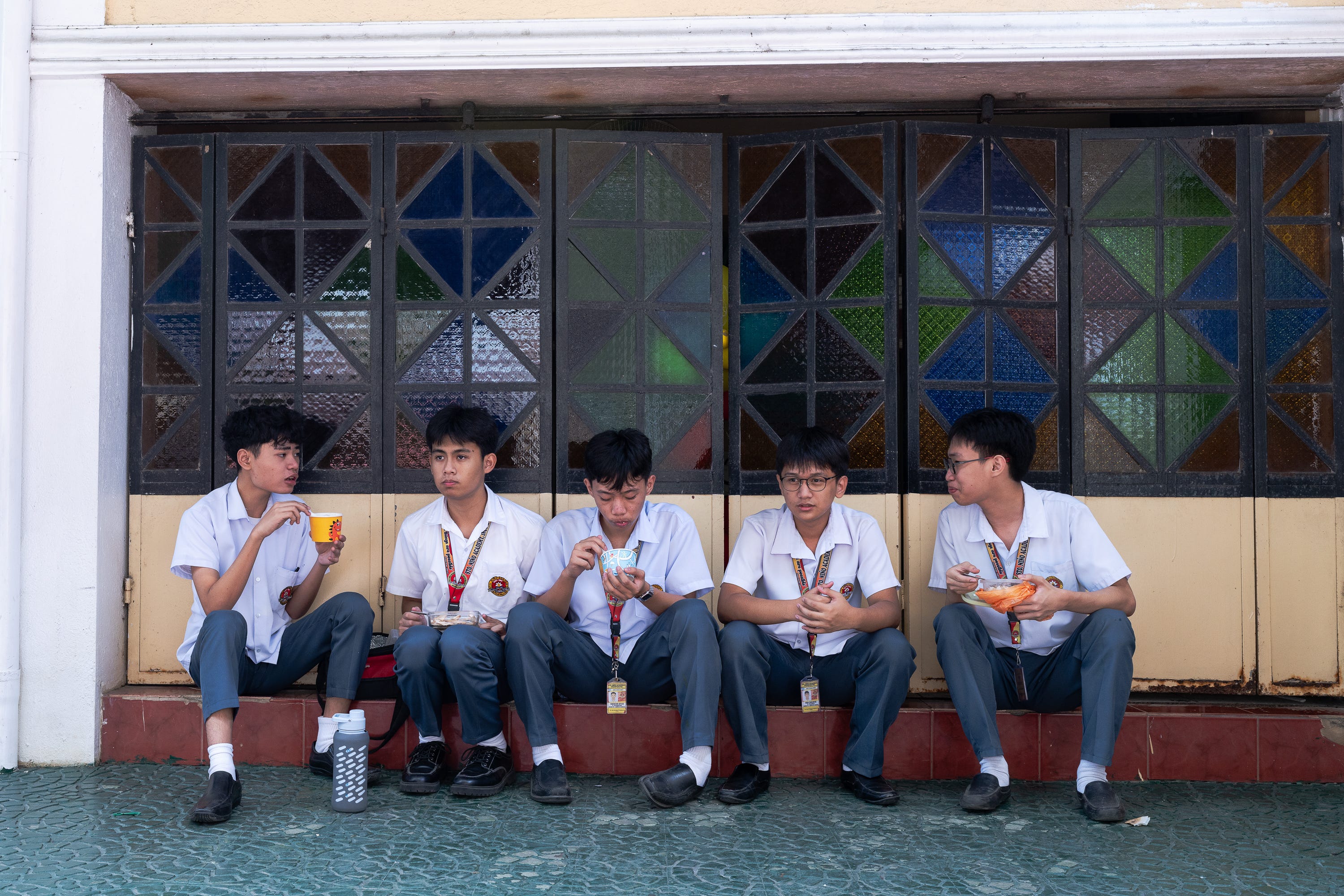
And so he tries as he studies late into the night, a few hours sleep before he is up again so that he can graduate yet again with honors, as he sits with friends while they eat lunch and he sips water, making jokes to divert their attention from the food he forgoes for the pesos it leaves in his pocket, as he cleans the house because he knows someone has to and he’s decided that someone should be him, that by doing these things he is quietly, diligently, making it all worth it, he is rebalancing the system so it makes sense, this absence and love and debt and gratitude becoming acknowledged and understood and repaid. Because maybe, just maybe, if he excels more and needs less, his mother can come home. Maybe he can bring her back.
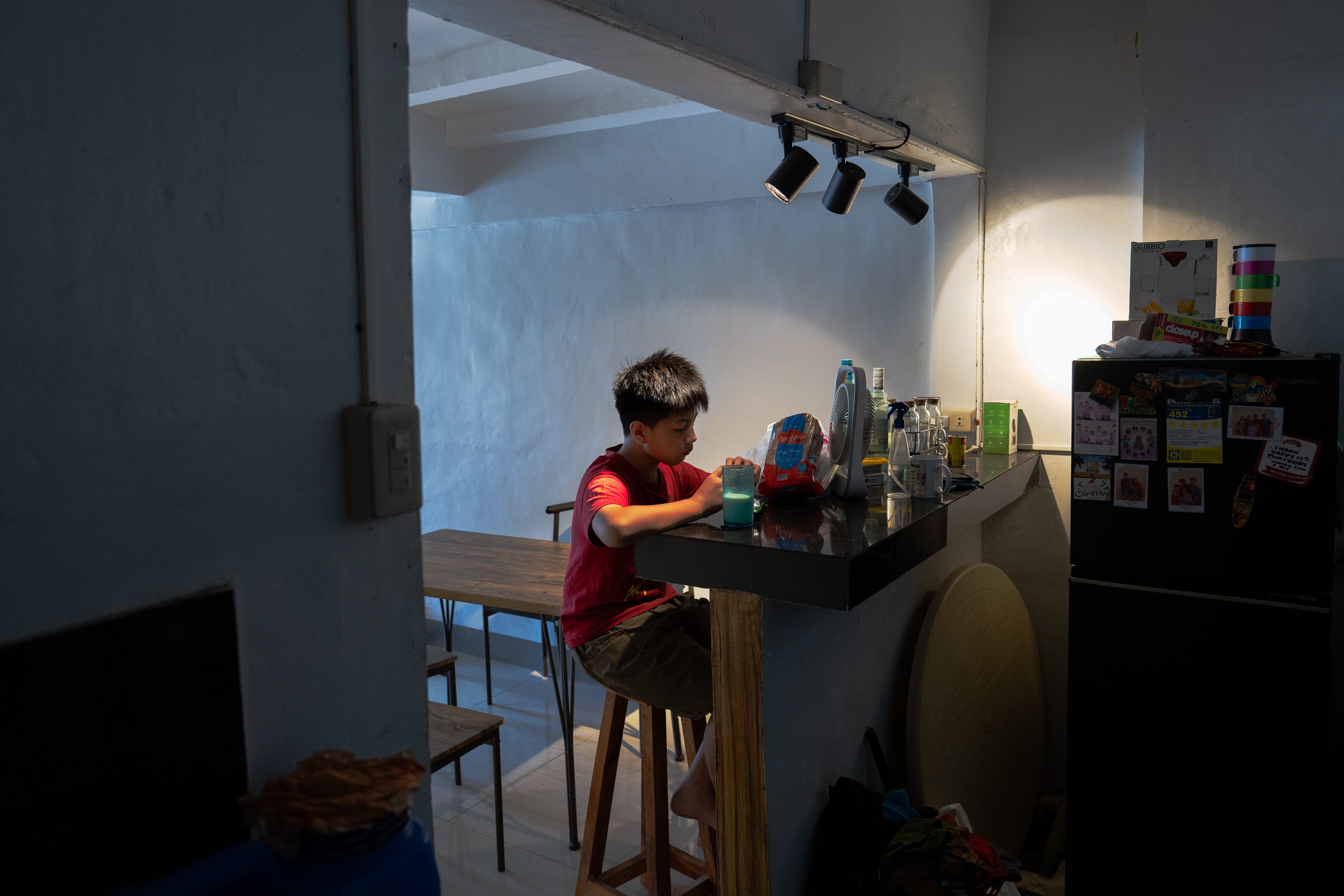
Darwin has watched the gravity of that absence bend and shape Shelwin over the years and worried how much he has added. He has needed to work nights for much of the past nine years, sleeping through the kids’ mornings, waking only in time to pick them up from school and drop them at his mother’s house, before clocking in for another graveyard shift.
“He’s on his own,” Darwin says of Shelwin. “I’m always asking, ‘are you okay?’ He’s always, ‘yes, I’m fine.’ I’m just thinking maybe because he grew up like that. No one he could talk with every day. There’s no one beside him. When he needed someone, we’re not there.”
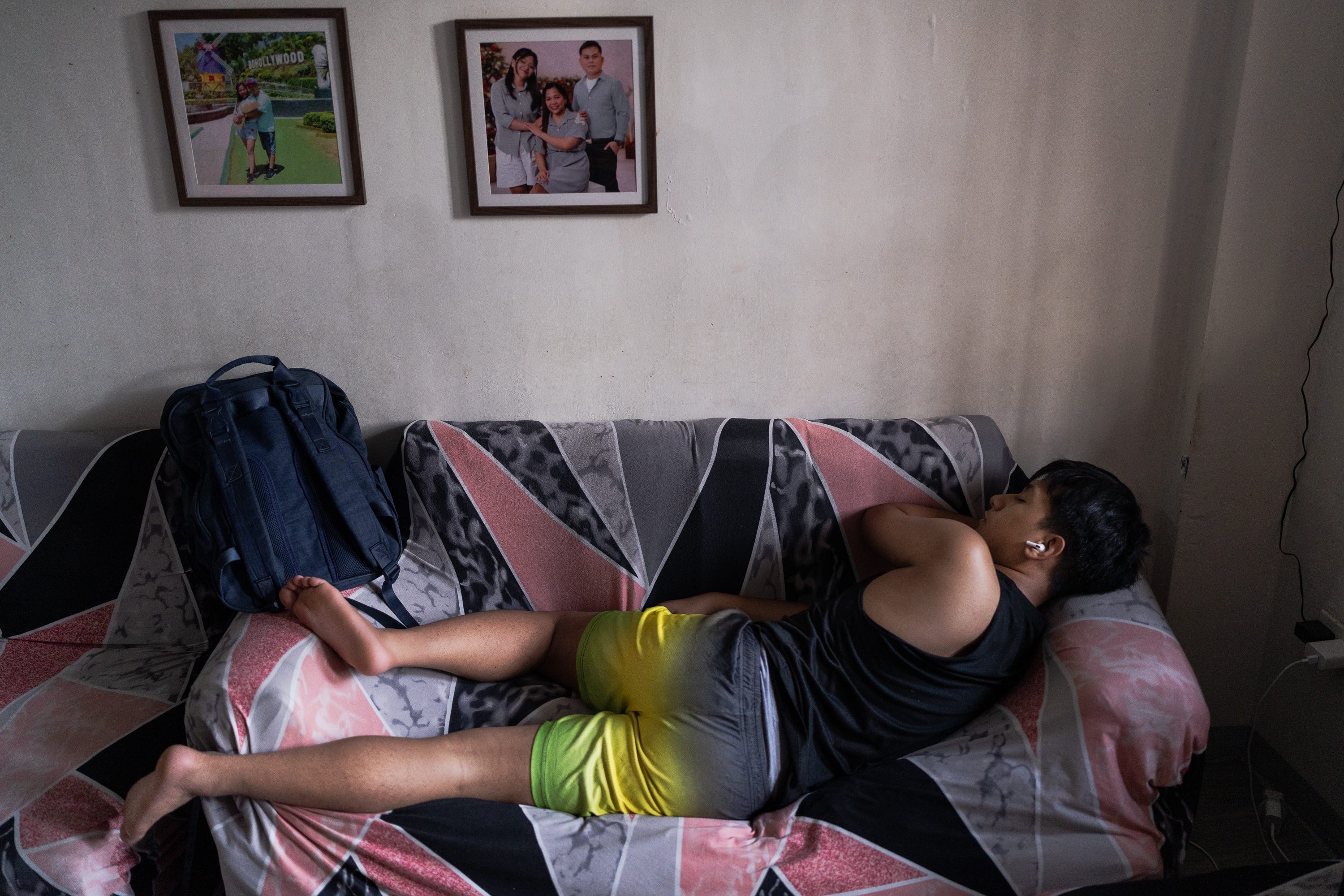
It’s nearly 8 p.m. by the time Shiela arrives at the house. Her arrival is a surprise, just in time for Shann’s graduation ceremony the next day.
Shann is busy watching TikTok, Shelwin absorbed in his drawings, when a voice comes from outside. “Hello hello! Who’s in there?” a voice sings from outside the door, “Hellllllllo!” and the two boys jump, smiles stretching across their faces as they race to the door. “Mama!”
Shelwin reaches first and calls for her as he flings the door open to see her pulling her suitcase up from the street. Behind him Shann springs up and down onto his tippy toes, bouncing like a little piston as he yells “Mama!” and claps his hands together, then clenching his fists by his sides and pumping them repeatedly like levers.
Shiela pulls her bag into the house and the three embrace, then one by one, then again all three, kisses and exhales and bear hugs and laughter. Each time she embraces Shelwin, Shann is by their side, still bouncing, still pumping his fists like levers, the sporadic outburst of “yesssss! YES!” as if unable to contain this joy shooting up through his legs.
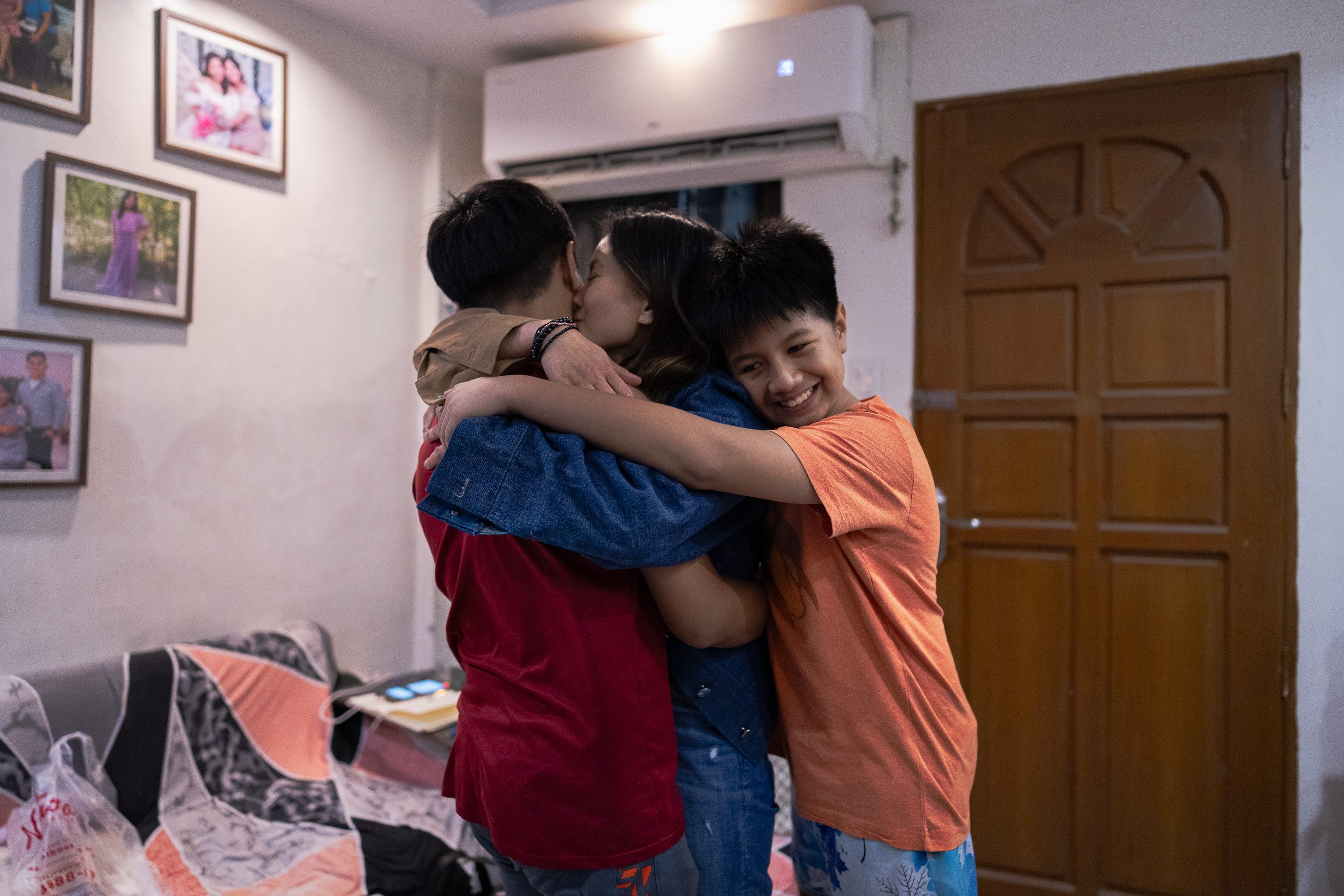
Shiela is thirty-eight but looks much younger, her cheeks full, eyebrows manicured and framed by long dark hair that falls past her shoulders. She is short, maybe five-three, and carries herself with a light and buoyant energy. And maybe that comes from how happy she is to be home, this clear-eyed way in which she immediately seems so present, but also in a way that makes the weight she carries easy to miss.
It’s just before noon the following day, the day of Shann’s graduation, when we finally get a chance to sit and talk. We are sitting in the back of my rental car parked in front of Darwin’s mother’s house and motorcycles and tricycle taxis scoot past stalls selling fried squid balls and coconut water, this familiar milieu of spluttering two-stroke engines and the smell of shrimp paste carried in thick heat. She smiles thinking about those days nearly ten years ago, “I’m so excited to go abroad,” she remembers of that time, the thrill of the airplane, of another country. “It’s not my attitude to think of it as hard because maybe I will stress if I think of that.” And so she didn’t, setting her mind forward with a practicality that doubled up as armor.
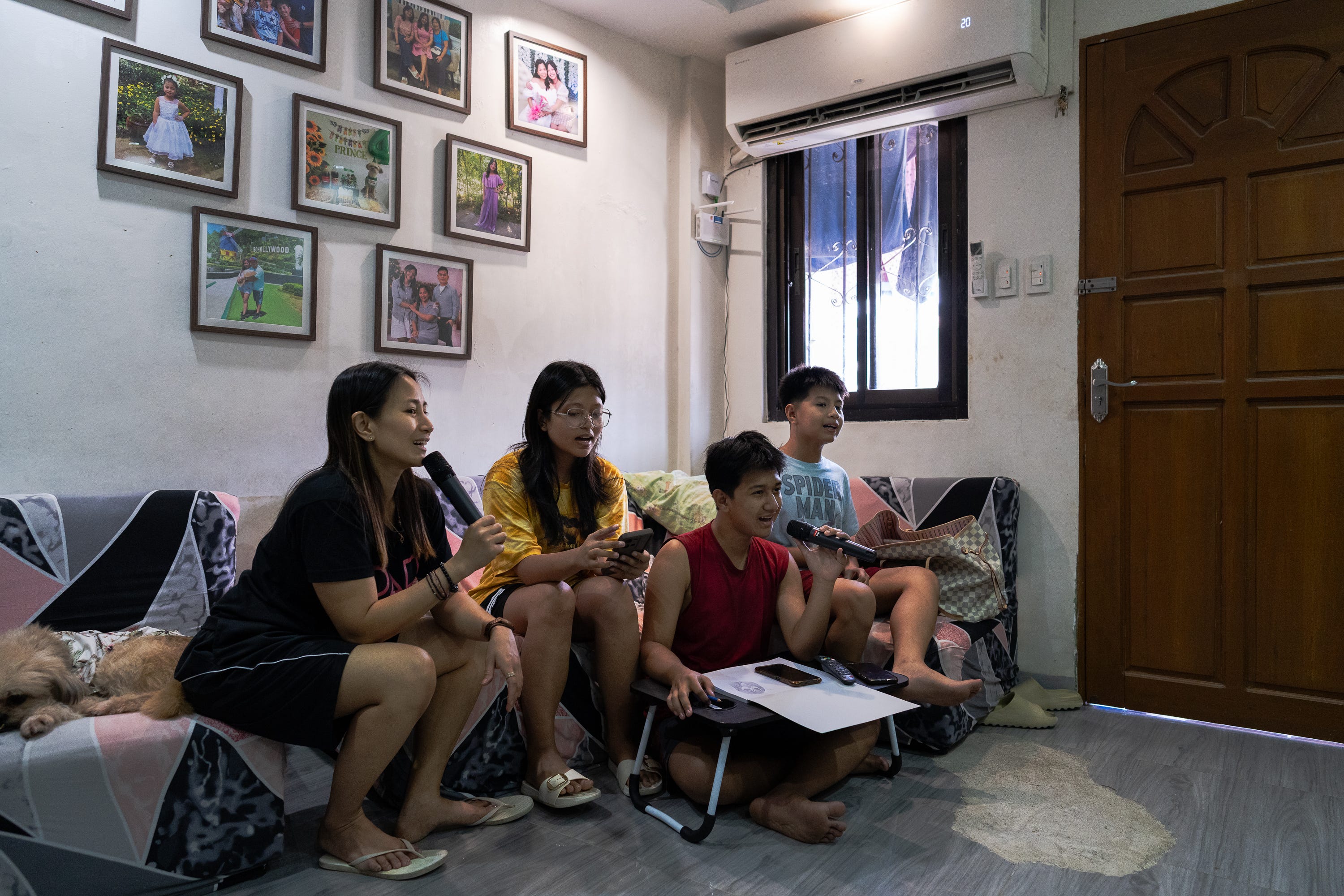
And she protected herself. Thinking of the positive, but also by finding an employer who had girls instead of boys because caring for someone else’s sons while her own grew up without her felt untenable. Girls were manageable though, “it’s like taking care of something that’s different” she says, and so she could cook for them, tend to them, without feeling the ache of hearing a boy’s laughter that wasn’t Shann’s, combing the hair of someone’s son that wasn’t Shelwin.
So the mothering just grew and evolved, never stopping, now caring for new children as she continued to mother her own from afar, that primal need finding whatever channel was available, the way water finds cracks in concrete.
She would wake before dawn in her small room in Hong Kong, the narrow single bed she had learned to sleep in alone, and she was the alarm, ringing Shelwin until he picked up, until she could hear the groggy muffles of her sons’ voices, their shuffle of feet as they pulled themselves out of bed and padded softly into the day. “Hey, wake up now. You need to get ready. The milk is already in the fridge.” And then she would walk them through it, applying the baby powder as antiperspirant, brushing teeth, the math homework left on the kitchen table, a morning routine conducted across a thousand miles. When Shelwin was younger and needed help with school work she would write out the steps on paper, photograph them, send the pictures through Facebook Messenger, these little dispatches of instruction and care beamed across the South China Sea. When Shann reached school age she started doing the same for him.
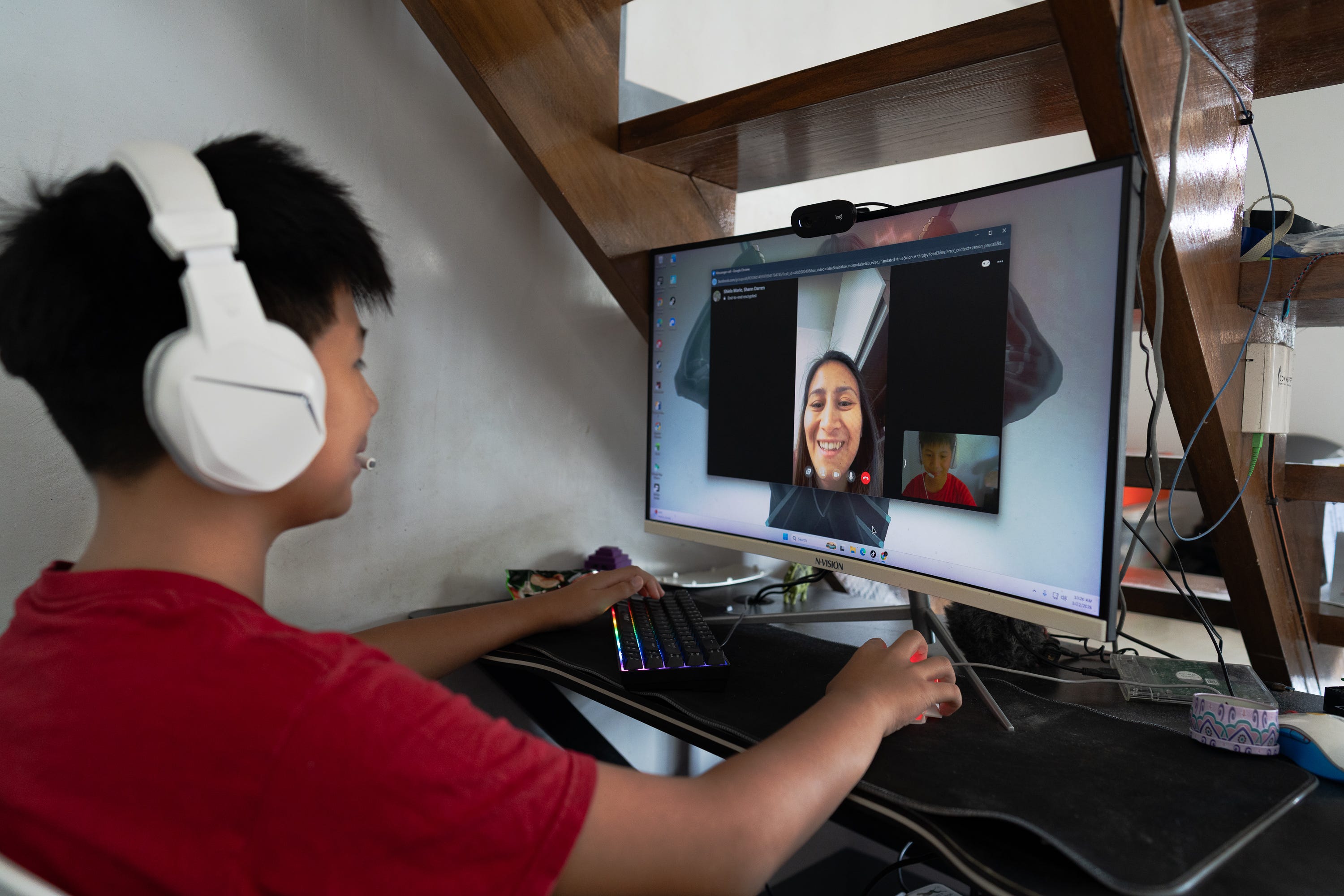
And when she wasn’t calling she was watching, propping her phone up while she worked, the video call flashing as the boys moved through the frame, doing homework, playing video games, eating cookies and milk, the mundane choreography of childhood unfolding in miniature while she made someone else’s bed, the three of them together and apart, these silent screens of theirs occupying their own space.
Last year she installed a CCTV camera in their house, and now when they don’t answer her calls she can look through the camera and call out, her disembodied voice coming through the camera’s speaker like some ghost in the walls, “Shelwin, where are you? Shann?” And from somewhere upstairs or behind the bathroom door another voice will answer, “Mom I’m taking a shower!” “Mommmmm I’m trying to sleep!” the requisite “ugghh” of a teenage boy as they push off a parent’s just-a-tad-too-much love, and there they would be, together in that moment of miles and presence, mother and son being mother and son, some fleeting touch that scratched an eternal itch.
And while these technological touch points are care, they’re also confirmation that the person who loves you is not in the room. “The absence gets really pronounced,” Parreñas tells me, “by the constant presence that technology suggests.”
“Ambient co-presence” is the name researchers have given to this state of perpetual low-level connecting, and millions of Filipino mothers abroad maintain these rituals of care, the phone always on, their voices always present.


But while this scaffolding can hold the kids, it does not hold everything, for there is marriage too, there is intimacy and touch and the day-to-day work of keeping love alive. For marriage is hard even in the best of circumstances, hard when two people are under the same roof and can still miss each other entirely as routine dulls attention and fatigue makes generosity feel expensive.
Because there is keeping current and there is being present, understanding because you comprehend the pieces and because you’re one of them, because you’re there at the end of the day, able to console and counsel and fight and fuck and trust that bad can be made better, that you can wake together into a new day and reaffirm where you landed, stabilize loose footing without worrying that some frustrated hang up is the end of it, that this call is the one moment to connect so I better make it good and happy, so let’s avoid that topic because it’s hard and there’s trouble there and I don’t want to jeopardize this, and so it goes unsaid, added to all the moments previously avoided, and call by call the daily maintenance of intimacy falls away in favor of the daily connection, the search for something that feels good in turn providing something that’s neutral but isn’t that better than bad? And so a tepidness spreads, this life together no longer one of highs and lows, of fights that connect on the other side, stumbles breathing into feeling heard and seen, the gratitude of having someone who will go with you through the inevitable, the neurosis of being you, and instead all becomes flat, placid, no wind, no current, no nothing, just the constance of hello and goodbye and let’s talk tomorrow.
And slowly the calls and messages and videochats themselves become obligations, because too much has been avoided, and that flatness itself becomes something to avoid because what are we even doing and where did we go and how did we get here and god I miss you, I miss us, I miss that thrill of the sweat and that’s all I’m after, I just need to feel seen, to feel held, to feel that pressure build in my belly, and so we begin to slip, these flat waters floating us apart, just ever so slightly because who would ever know when everything is fine, everything is just totally, completely and utterly fine.
And then a colleague holds a hug. Longer than expected. The eyes of a friend flash something dangerous as they compliment our haircut. And what is that and there it is, and we forget everything we have built, all the care and commitment, honesty and joy, breathless beauty and hard, hard, god what hard work has gotten us here, and in that forgetting we lose sight of where we actually want to be for where we feel something, where we feel anything, and we mistake that something for everything and so we fuck up, we fuck it all up, never to return.
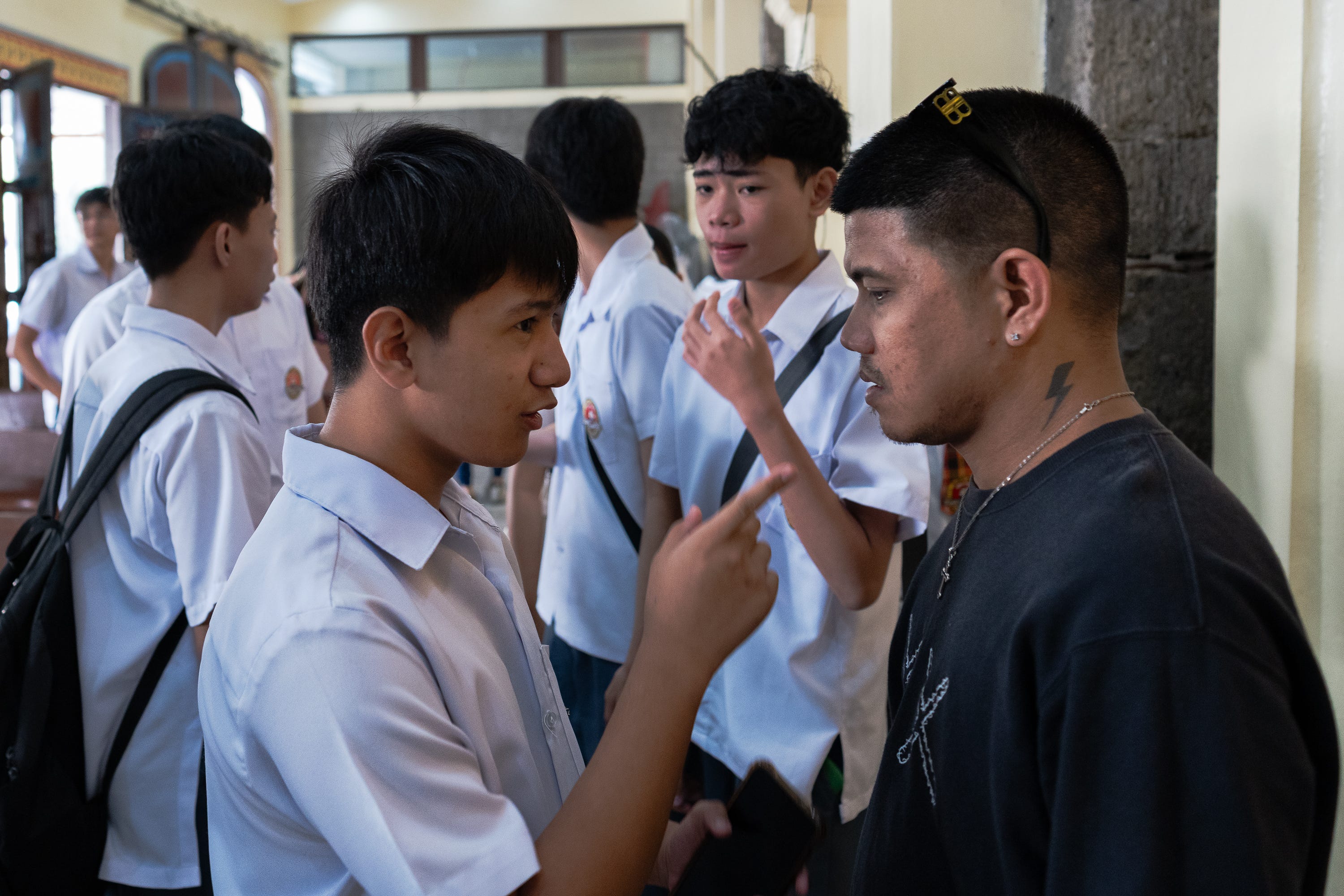
Shelwin found out about Darwin’s affair first but Darwin told him to keep it quiet, the weight and confusion and anger of it all layering onto everything he already carried. When Shiela finally learned of it months later Shelwin was relieved for at least it was no longer his to carry.
“ Long distance relationship is not easy,” Shiela says, her voice cold and precise, “but for me, I think we already survive that.” Nine years she has been in Hong Kong and with less than a year to go, with her almost home, he couldn’t hold on. “Can you imagine? Twelve months? You cannot wait for me?”


She tells me about the temptation that surrounds you when you work abroad, how it’s everywhere, how easy it would be for her to have done the same because she’s had plenty of chances, but she knows what she has and what she wants. “I just ignore it,” she says. “Why doesn’t he ignore it?” and later continues, “Can you imagine we’re already half of the life that we want and then now you do that.”
The boys have been her grounding, especially Shelwin, the one she calls before making decisions about clothes and plans and the future. “Really big help,” she says of him. “I’m always thankful for that.”
“I don’t have a good marriage now,” she says matter of factly, but “they always give me good feedback that you’re doing well… You did this for the family. You’re the one who give this to us. So why you feel upset to us if you cannot give us a whole family? We really understand you.” And when they say that to her she cries, she tells me, her eyes, even now in the backseat of the car, glinting with pride and relief and gratitude, because it is the answer she has been circling, the confirmation that she can leave and still keep what matters, that the family will survive in some form. That her children see her, that they are with her. “Then I said to myself, oh, it’s my final answer.”
So she is done. She is leaving Darwin. She is going to sell the house, already has a buyer, and she will buy a new place, a smaller one, just for her and the boys. Yesterday when she landed at the airport she prayed that she would hold firm to this the way she has held firm to everything else. “I hope my mind will not change again.”
But what migration may have broken, migration also built, for Shiela owns the house, she has savings. She is independent and empowered in a way that would have been unthinkable had she stayed. And so she will go back to Hong Kong, ten more months to finish her contract, and then decide what comes next. She will decide. “My mindset is working abroad and focused on Shelwin and Shann,” she says, “not anything else.”
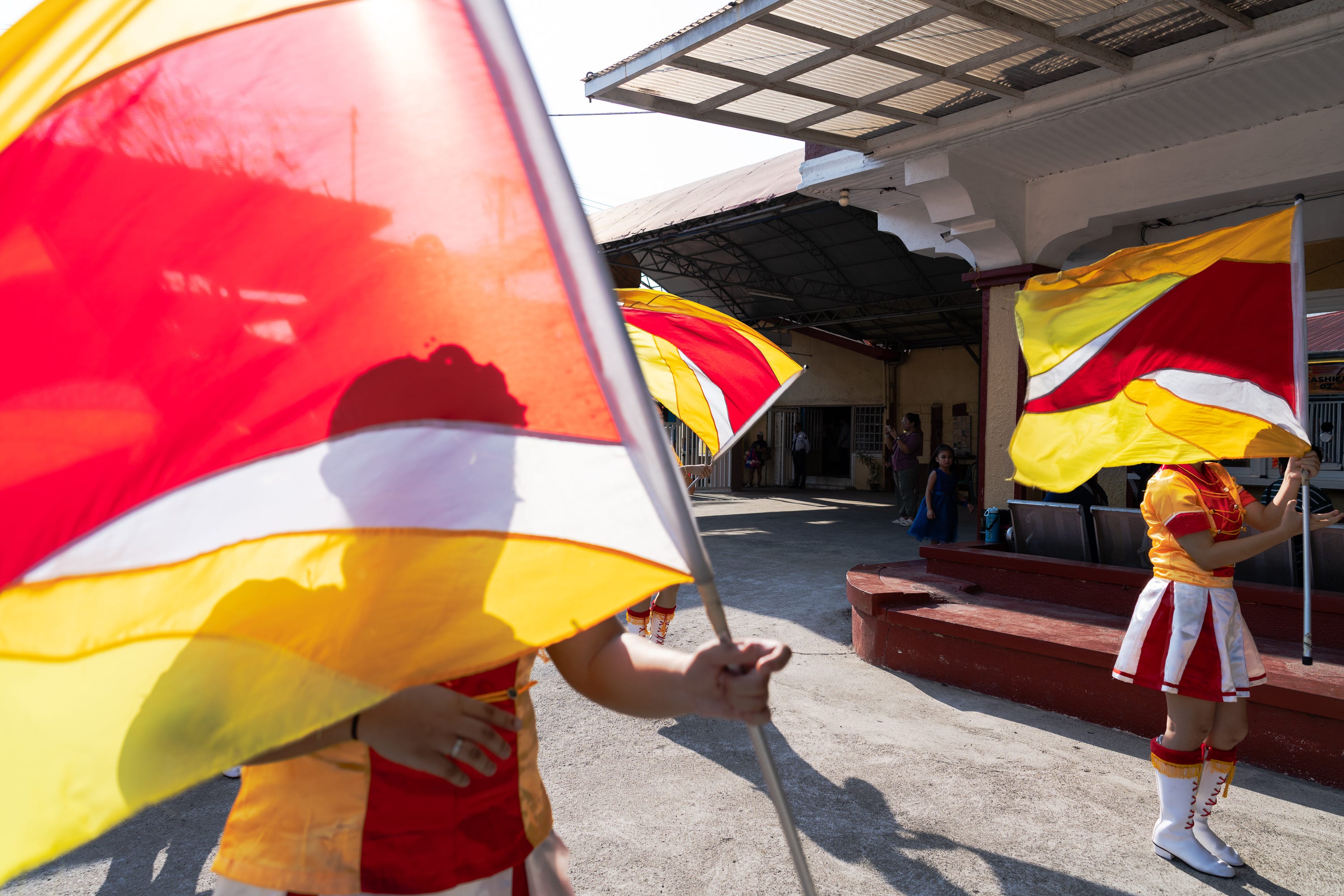
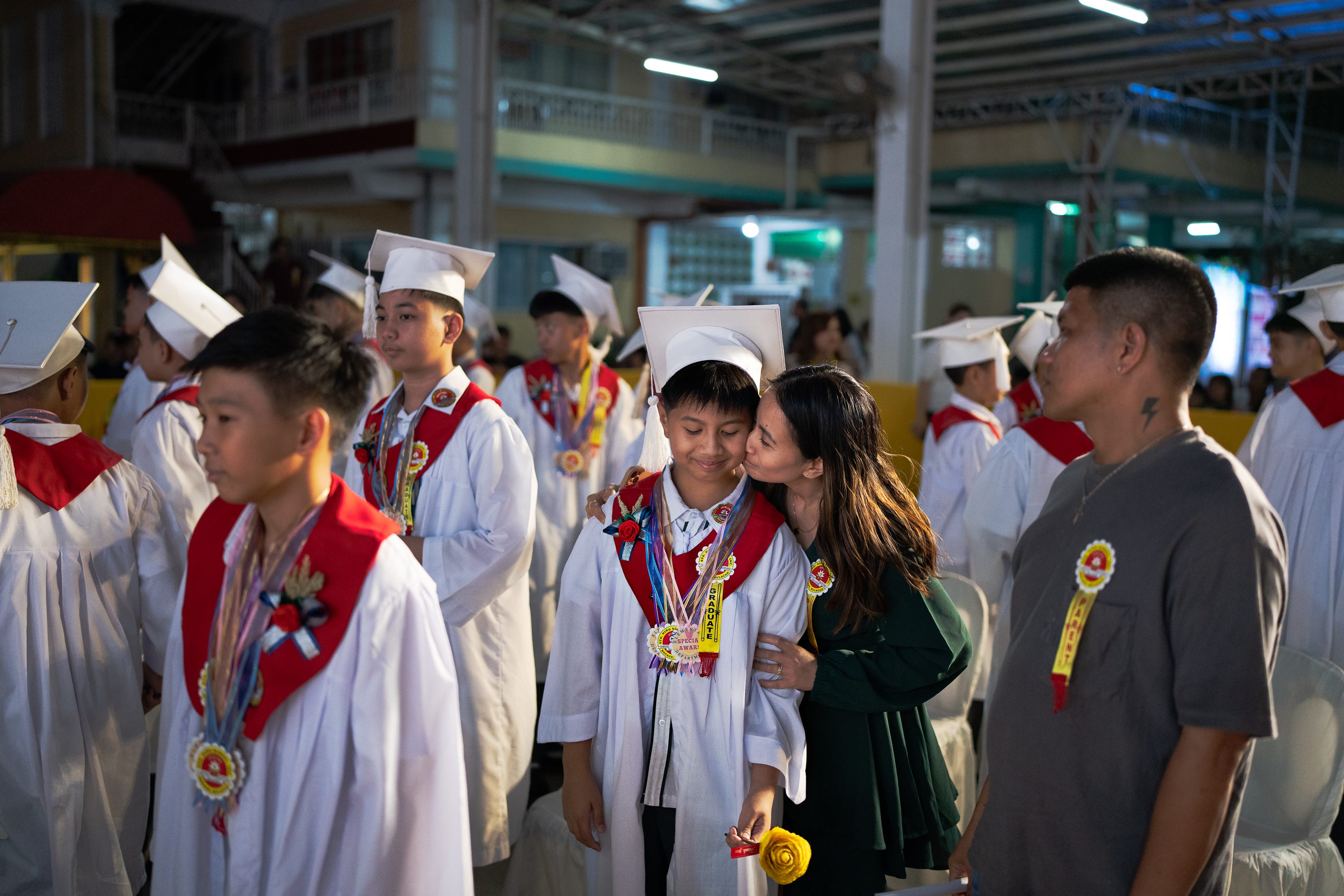
Shiela and Darwin first see each other at Shann’s graduation later that day after we speak. No hello, no acknowledgement, Darwin just arrives and the two of them are there by Shann’s side, because what is there to say that wouldn’t crack it open, that wouldn’t force them into all that has been said and all that remains unsaid and all that cannot be said because to say it would be to say everything, and to say everything would be to start something that cannot be stopped, and so they don’t, not here, not yet, not in front of the boys, they just step back into the old configuration of mother and father and son.
And Shann is happy, his white robe and cap and tassel dangling from his head, the pageantry of family and graduation swirling around him as marching bands play and dance, festive lights sparkle and his parents stand there in the crowd, the normalcy of that sight the ground beneath his feet.
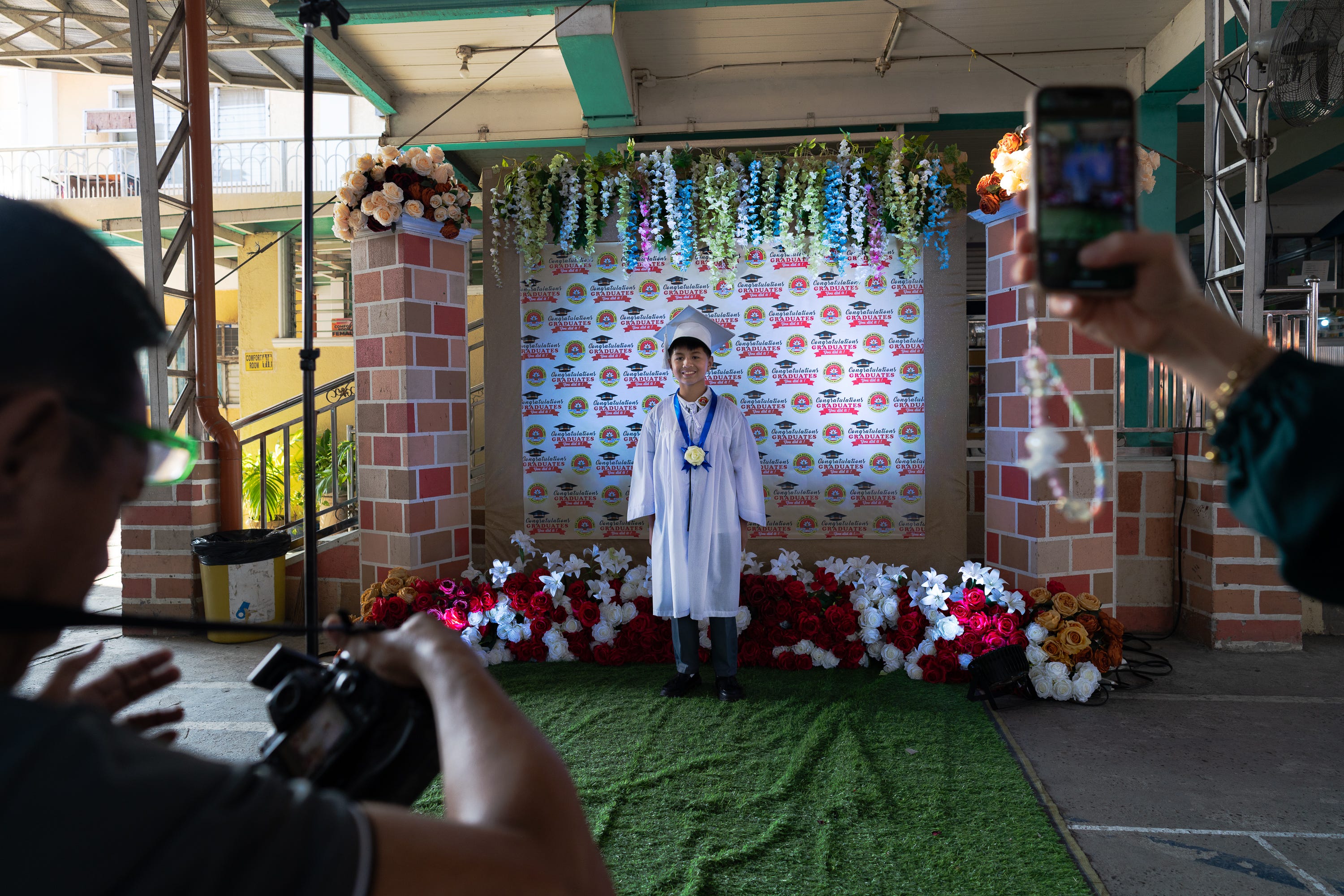
Shelwin meanwhile is absent, off with his friends in the crowd, avoiding this or enjoying that or both. Group pictures are taken, Darwin on one side, Shiela on the other, Shann, all smiles and bright eyes, in the middle. It’s his day.
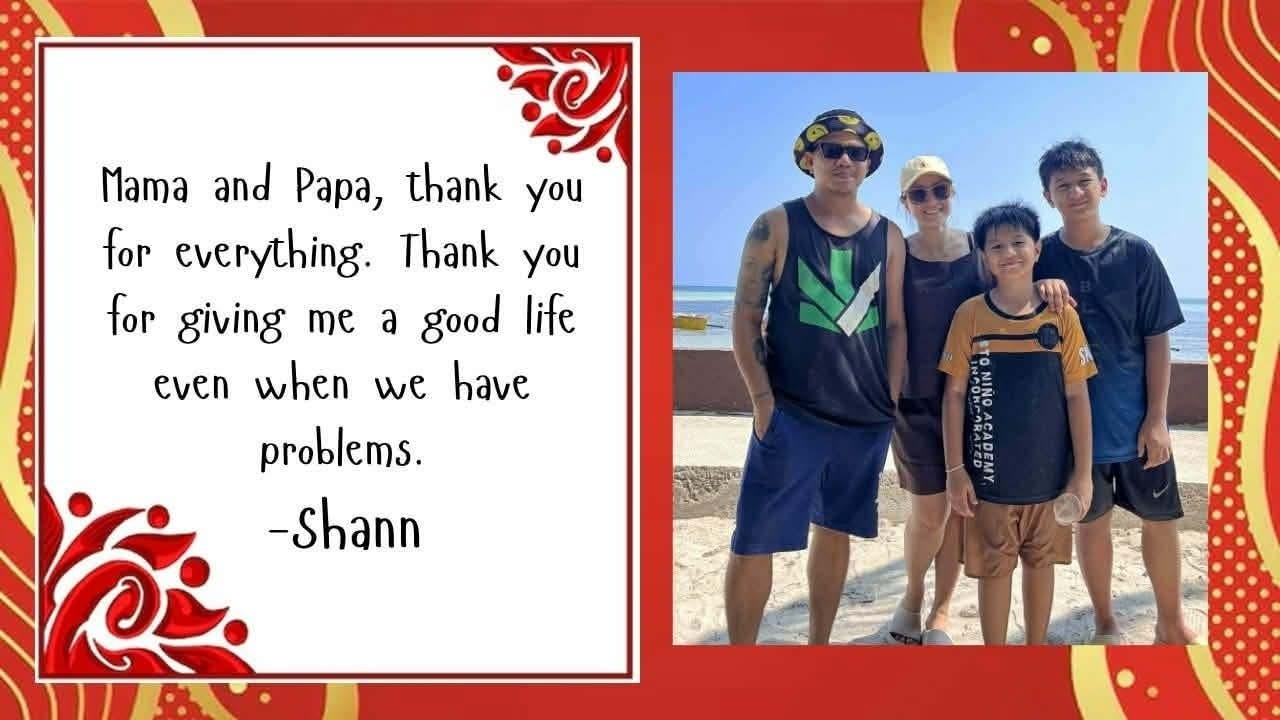
Later there is a movie that plays on the big screen behind the stage, sappy music playing over photos from the year, field trips and classrooms full of big toothy grins and ponytails, and the crowd of parents watch, eyes flushed with pride at what they’ve all made happen, hands occasionally clapping with joy, and Shelwin drifts back, curious to see these moments too, and stands watching from the edge of seats, hands stuffed into his pockets as notes from students begin to pop up on screen. “Thank yous” and “I love yous” set beside photos of family vacations and full birthday tables, and then comes Shann’s, a picture of him and Darwin and Shiela and Shelwin standing all together in the sand, the ocean in the background, the family smiling and sun-speckled, and they look happy, relaxed, for this is who they’ve been, where they come from.
And Shiela and Darwin are beaming now as the early evening fades to night, Shann moving up another grade as Shelwin will the following week, both graduating alongside friends at this private school, this good education, the two of them healthy and strong with food in their bellies, and they are on their way, and Shiela and Darwin are happy with what they’ve built, with what they’ve made possible, what this sacrifice of theirs has afforded, for it is all for them, for the family, for the children, and wouldn’t we do it a million times over, but couldn’t we do it differently, couldn’t it be different.
And Shann is hopeful. Shelwin is not. Shiela is done and Darwin holds on. These imbalances of perspective, of desire, of frustration and resentment, this system of linked bodies, each holding their own yet transforming the other. And there is no way to know where they will go, what this will become, for they are living it, building and destroying worlds together, because of each other, in spite of each other, for they are a family as all families are, stumbling forward, blind leading the blind, doing the best they can and fucking up as they try not to fuck each other up, trying to give what they think the other wants, trying to be happy, to make the family happy, to do right by this project and the love and the joy and the care they give and get. And every path forward bypasses another, every choice building one world while razing another, and this is what it cost and this is what it gave, all its pride and wreckage and love and loss, and there is no version of this life with one and not the other.
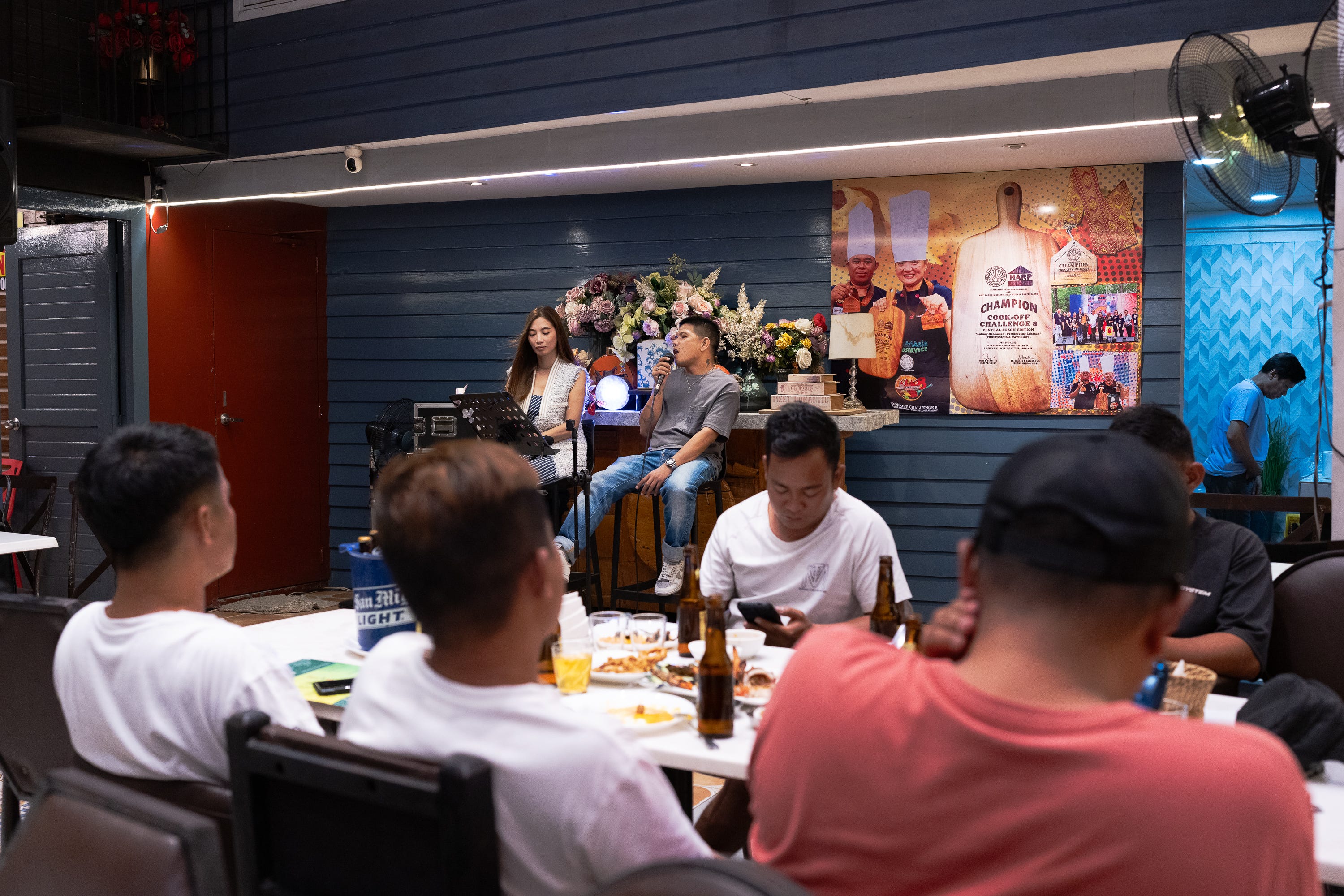
Later that night we sit around the table at a nearby restaurant, Shelwin and Shann, Shiela and Darwin, grandmothers and aunties and nieces, and plates of food that are overflowing and keep coming, and everyone raises a glass to Shann and to Shelwin, and the kids eat and watch TikTok and the adults banter and laugh and remark on how good the kare-kare is, how spicy the shrimp is and shouldn’t we get more rice? And there’s a table nearby of men who are all laughter and greasy eyes as they sip down a night on the razz, and a woman sings karaoke at the back of the restaurant, sitting on a stool on a small elevated section near the kitchen, and as the dishes slow their speed, and our bellies reach their limits Darwin gets up and requests to sing a song, and he sits on the stool, no bravado or pantomime, and puts the mic to his mouth, his voice reserved and matter of fact as he says “This song is for Shiela, my wife,” and the table of red-faced men clap and raise their beers and eat more lechón and the grandmothers and aunties laugh and cheer and Shelwin pulls up from his phone and looks to Shiela and Shiela stares ahead and Shann claps his hands and the pluck of the guitar springs from the speakers and Darwin takes a breath, and looks toward his family, this world that has made him, that he has helped make, and he sings.
This story was possible because of the incredible work and support from journalist and researcher, Maria Cecilia Nicolas-Gonzales. My sincere thanks to her as well as Rodney Ramos and Guill Ramos.