


Over the course of reporting each flagship story, I meet many people. Some I have time to sit with, the moments deliberate, and I record our conversations with a microphone. Others are quicker, more crowded by the routine of everyday life as we talk between cups of tea, mouthfuls of rice, rolling along in some broader group all yammering happily over each other as I write down as much as I can.
The following are portraits of people I met while reporting out Sajal’s story. Some are family. Others are strangers whose lives run parallel to his, each building and betting in their own way.
*To enlarge videos, click on the small box in the bottom right if viewing on desktop or the arrows in top left if viewing on phone.
Mohammed Delwar Hossain traveled to Saudi Arabia on a driving visa to find the job he was promised didn’t exist. His broker housed him in a room with dozens of other men and strung him along for months. Without work his visa expired, he was arrested on the street and detained for 12 days before being deported. He returned to Bangladesh to find his mother paralyzed from a stroke and nearly $4,000 in debt.
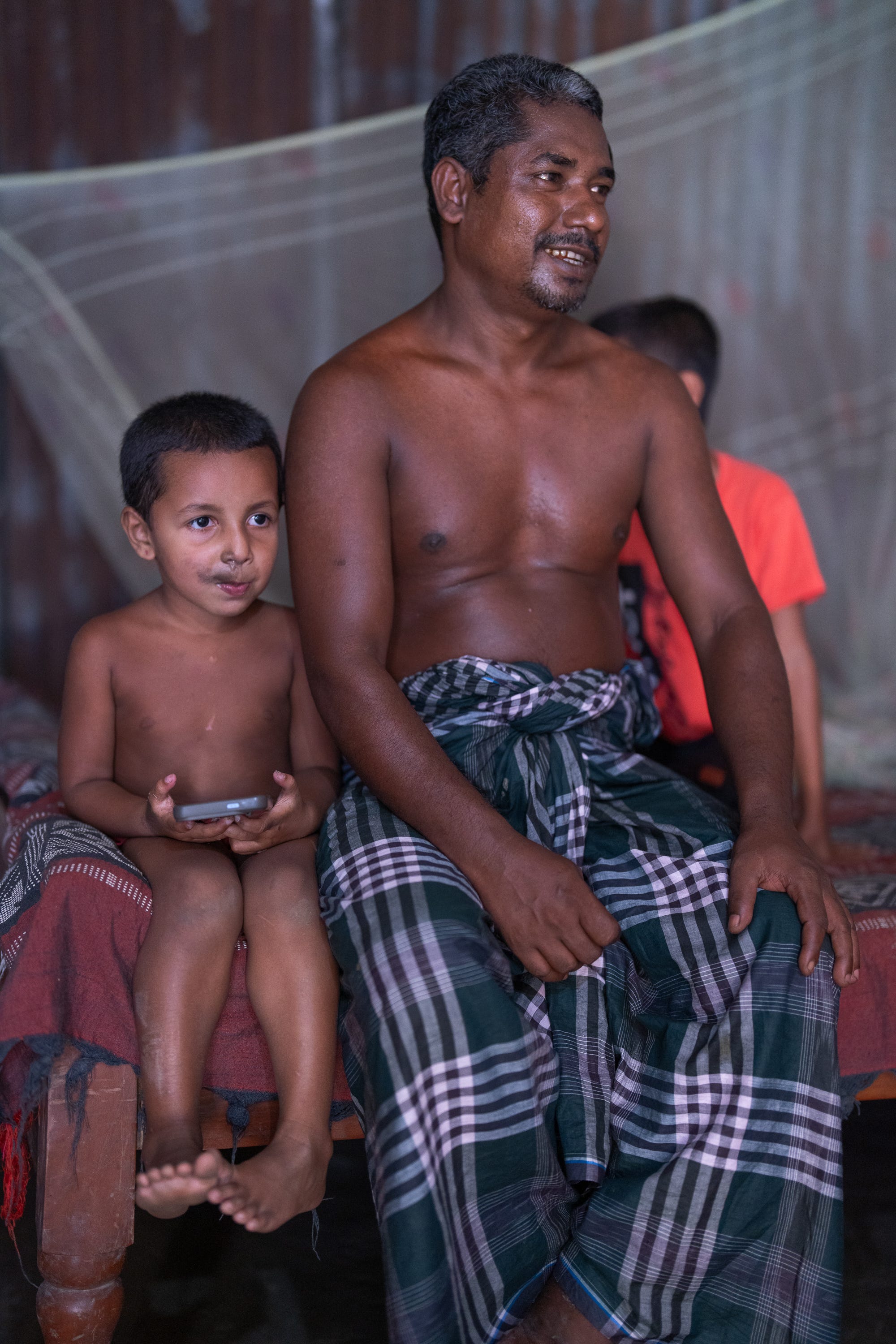
“How will I leave this one?” Alamgir laughed when talking about heading to Saudia Arabia and leaving Eva behind, “it’s too difficult for me to think about.” Swimming, walking, sitting, eating, whatever Alamgir was doing, Eva was there, mischievous and happy, splashing him with water as they swam in the pond just as she held on tightly to his shoulders, stealing food from his plate just as she fed him delicately from hers.
Farzana Akter worked in Saudi Arabia for two years as a domestic worker. She was promised a hospital job but arrived to find her job was actually as domestic help in a private home. She was beaten regularly and paid a fraction of what she was promised.
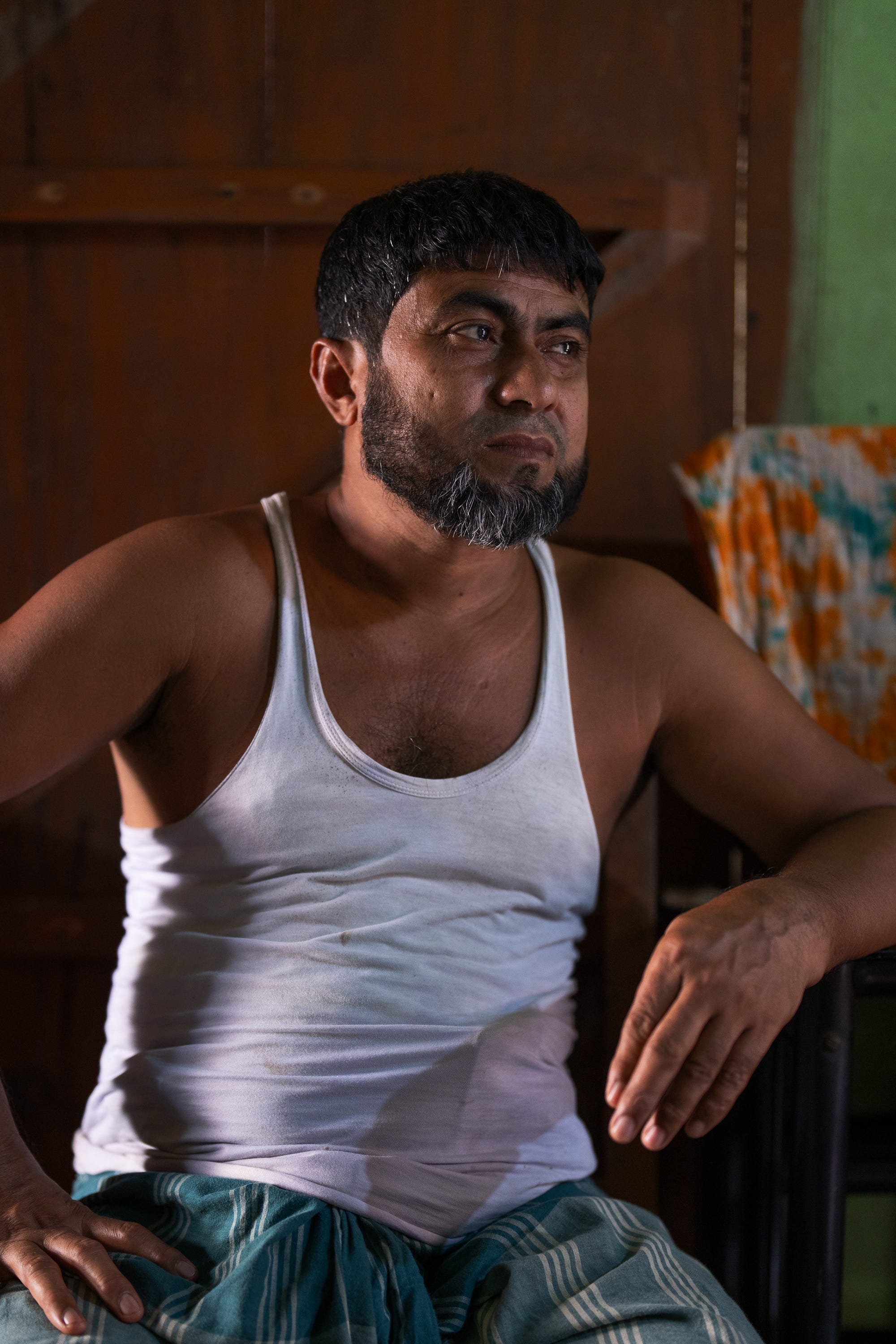
“When I was young I would spend every night going out with some wealthy local businessmen. It was a routine - every night I would go - but at one point I thought to myself ‘what’s the meaning of all of this? I have no money, they have money, what am I doing? Something needs to change.’ and I knew I needed to leave Bangladesh.
When I arrived in Dhaka (from the village) I was shaking, feeling nervous as I looked at all of these unknown faces. Then I got on the plane and we landed (in Kuala Lumpur) and I was kept in a room with 50 other young Bangladeshis. I needed my employer to come and collect me but he didn’t so I was stuck for two days until he finally arrived.
The pain from missing my family was too much. It was a double blow because I wasn’t earning very much and it all felt pointless. Finally I came home for vacation and didn’t return.
To these young men going now I just tell them to find a good job that pays. Then all you have to do is suffer. No matter what, it will be hard, you will suffer, just make sure you do it for a reason. The job is not hard, it’s the mindset. You have to take care of it. You can’t dwell in the past, you can’t let yourself be overwhelmed by thoughts of family. Otherwise it will take you down, you will drown.”
Shahin Shah traveled to Saudi Arabia to find the job he was promised did not exist. He was robbed of his passport and phone shortly after arriving and forced to work without pay for three months. When he demanded what he was owed the man who arranged his work had him arrested. He was detained for 17 days and then deported back to Bangladesh to a crippling debt and very few options to repay it.
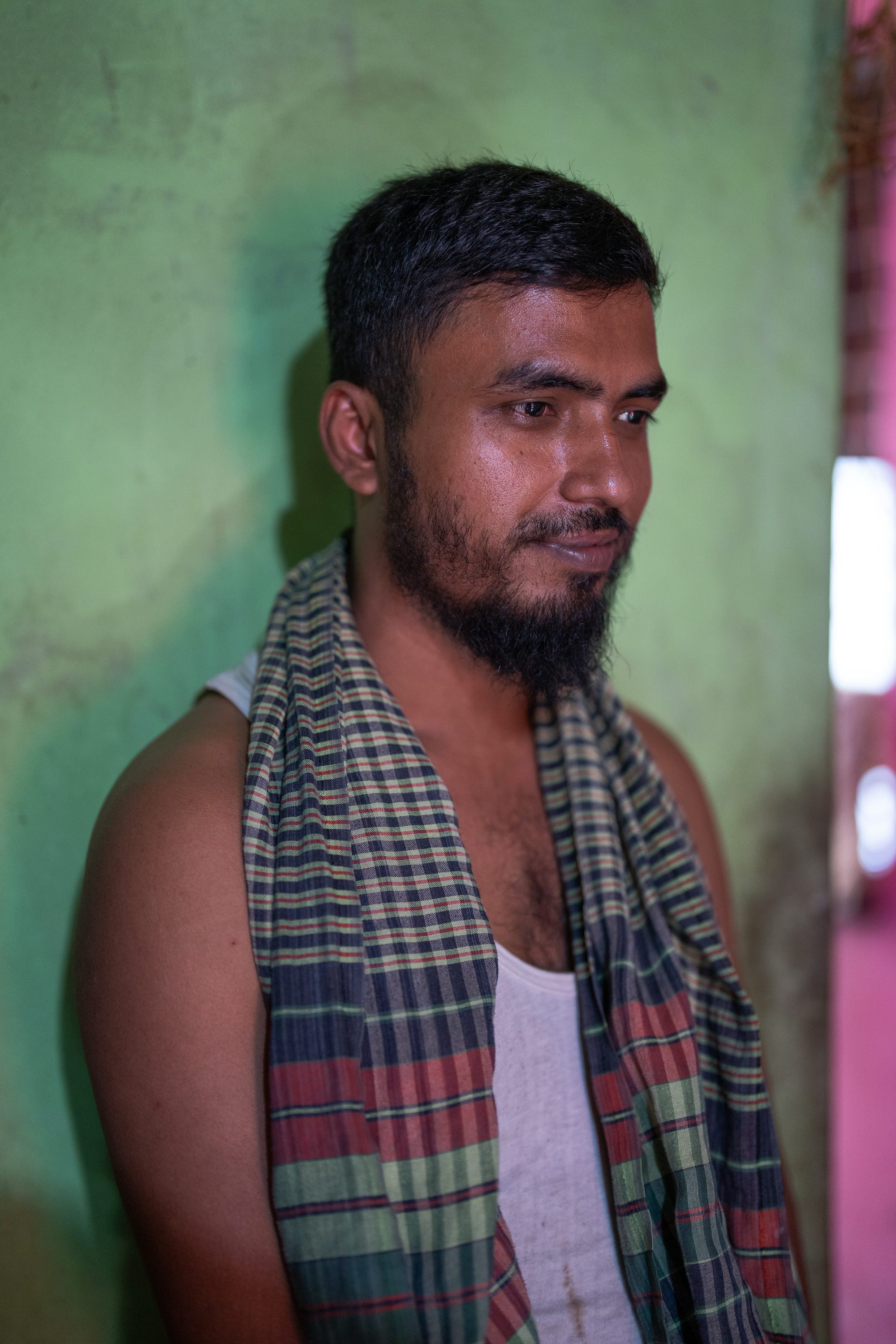
“My whole journey and sacrifice is dedicated to them. To my mother and wife and children. To my sister and her boys. I will give up this golden period of my life to make them happier and why shouldn’t I? If one man’s sacrifice can make many peoples’ lives better, why shouldn’t it be me?” - Sajal Mia
Hosna Begum worked in Saudi Arabia for two years as a domestic worker. She was promised a tailoring job but was instead placed in a home where she cooked, cleaned and cared for five children. Her husband has suffered multiple strokes and can no longer work. She wants to return to Saudi Arabia to cover his medical care and support their youngest son.
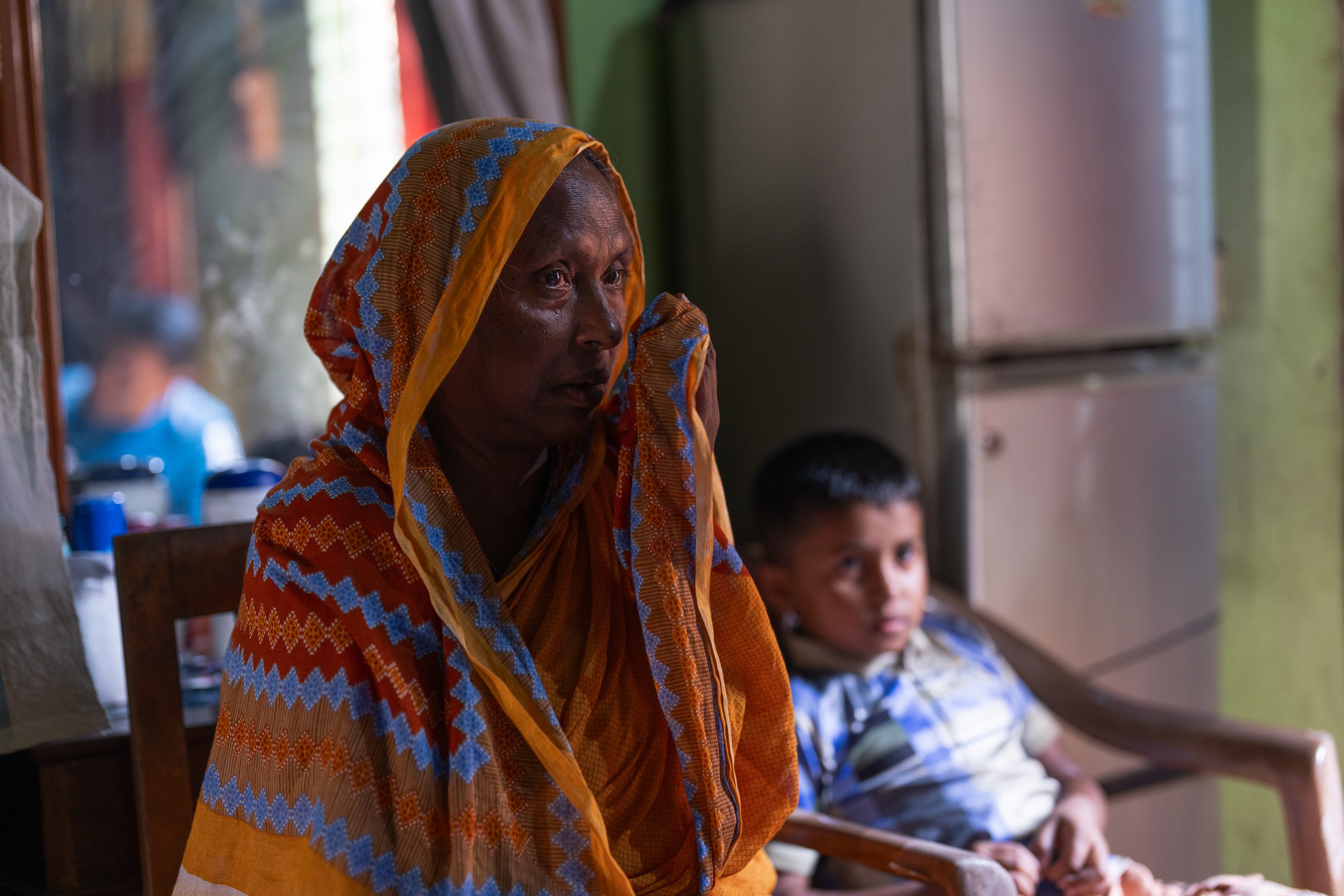
“I know he will be ok,” Sakhina, says of Sajal’s time in Saudi Arabia, “He is strong. But a mother must worry. A mother must feel this sadness. These are things I cannot escape.”
Anik Bhuiyan is 21 years old. His father borrowed nearly $4,000 from relatives to send him to Riyadh to work as a waiter. He left for Saudi Arabia shortly after I met him. He is there now.
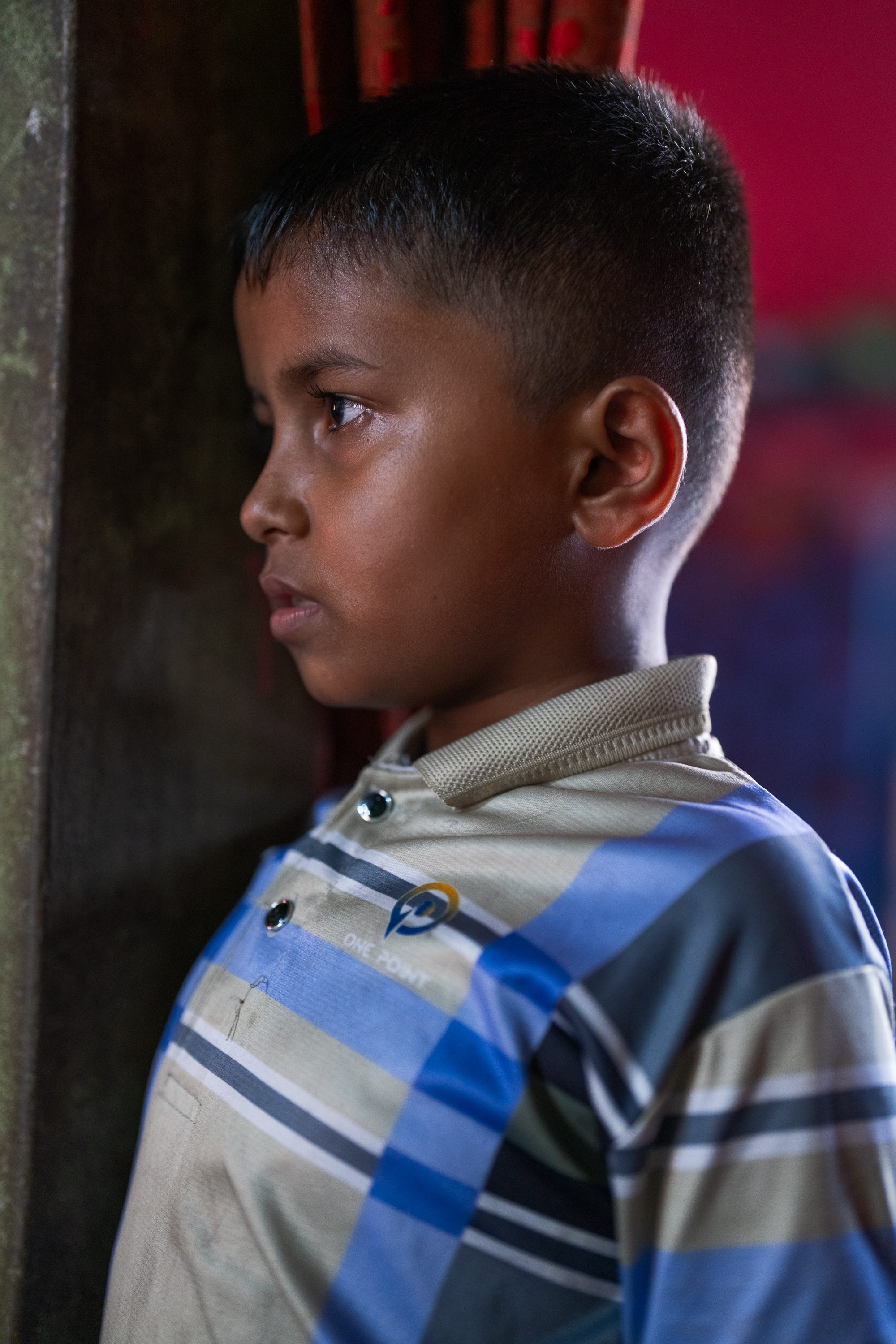
There were few moments when Abdullah wasn’t by Sajal’s side in the days I was at their home, fewer moments still when the two were not holding hands as they walked through the village. Abdullah will be at least 12 by the time he sees his father next.
It's one thing to read the details of the dilemmas facing people in Bangladesh and then read what they had to say in the initial story about their own situations, regardless of their station. It's a whole other thing to hear their voices telling their migration stories in these interviews and to know from one person's experience how another may yet be exploited and robbed of their labor. It adds so much to the initial story.