


This story was hard to report, harder still to write. Hard because my relationship with Nawras isn’t black and white, doesn’t follow some cartesian divide of journalist/character, observer/observed, interviewer/interviewee. Hard because Nawras and I are friends. Because I care for him. Because I’ve known him for more than a decade and I hope to know him for decades more. Hard because we text most weeks, speak on the phone at least once a month, because he calls me big brother, because I’m proud of him, because our lives are intertwined and connected and that makes this complicated in ways I’m still wrapping my head around.
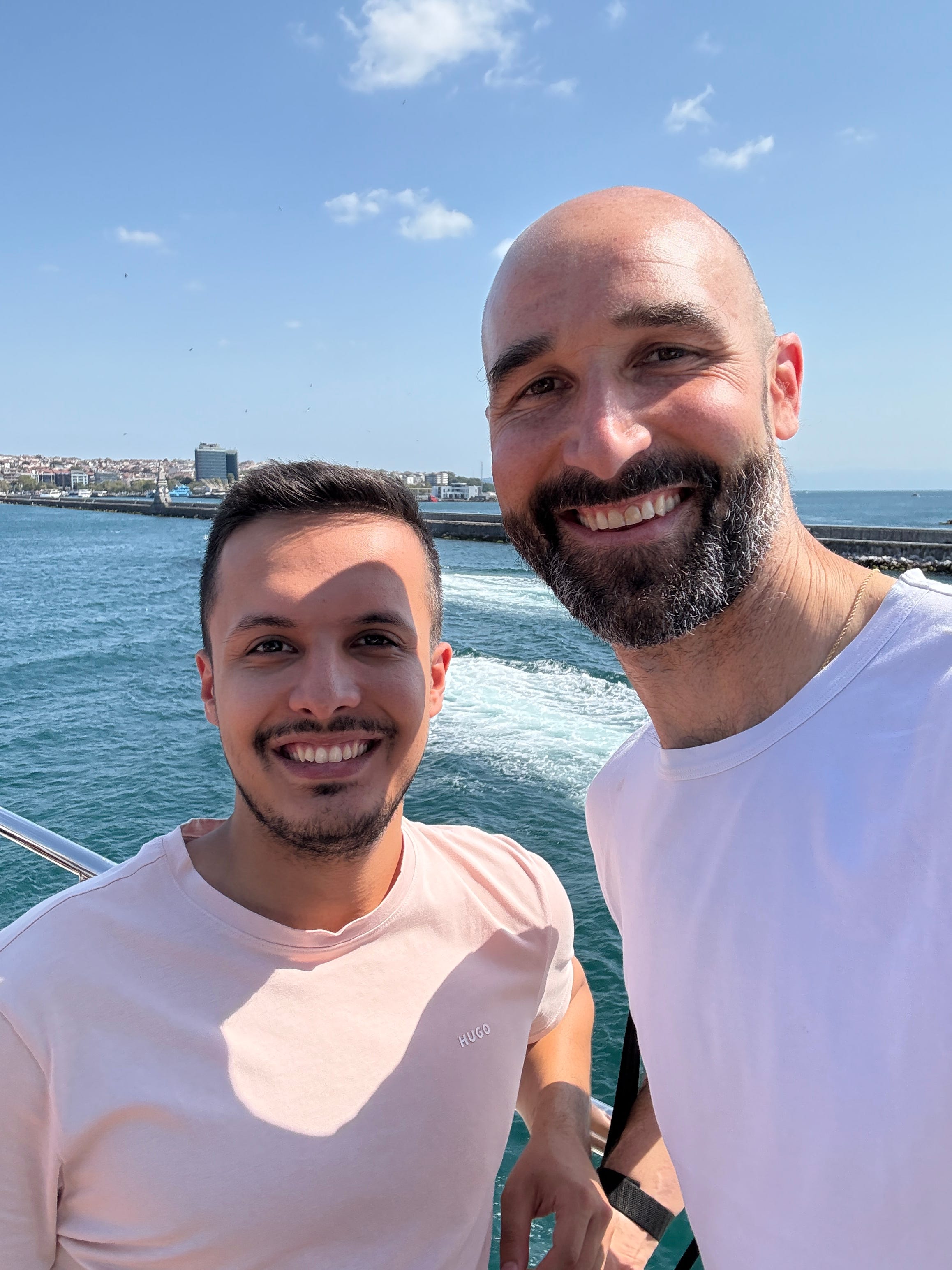
Nawras is my friend. And he is a character in a story. I am his friend and I am a journalist documenting his life. Those facts coexist in the same space and neither one fully explains the other, nor can either be teased apart from the other. And so that muddles things at times, the stakes jack up higher.
For example, there was a moment during my trip to see him when we were out with his friends, all sitting around the table eating shawarma and chips, talking and laughing and bullshitting. The conversation was easy, everyone taking the piss out of the other, and then it moved to politics, the current state of the country, what was working well, what wasn’t, and something in me clicked over. I sat up a little straighter, tasted the shawarma a little less, and started noting who said what and how, watching faces, tracking disagreements, and very quickly I was on the outside, a journalist looking in, no longer the friend chatting rubbish, and the distance between those two things felt tiny and enormous, somehow honest and deceitful.
I wrote about an aspect of this dynamic in the Behind The Scenes from Bangladesh where I described the experience of sitting with Mohammed as he told me he wanted to die, of listening and caring and also, on some very real level, evaluating his pain against the story I was trying to tell. That tension was acute and immediate, but it happened with a stranger and when the interview was over, so was the tension, and it was just me exhaling in a room before moving onto the next interview.
With Nawras that tension is different as it doesn’t happen in a 50 minute interview, but over years, the slow, low-grade hum of a relationship that is always, on some level, also professional. And that hum doesn’t stop when the recorder is off or the camera is tucked away. It’s there when we’re on the phone and he tells me about his sister’s increasingly precarious life in Turkey and I feel sad but also, somewhere in the background, a series of thoughts flicker, as I wonder how it connects to themes in the story, what it says about the cost of displacement over time, about the family members left behind. That flicker annoys the shit out of me, but it’s there. It’s there because I’ve told my brain to always connect the dots. And that doesn’t switch off just because I care. The caring and the cataloging coexist.
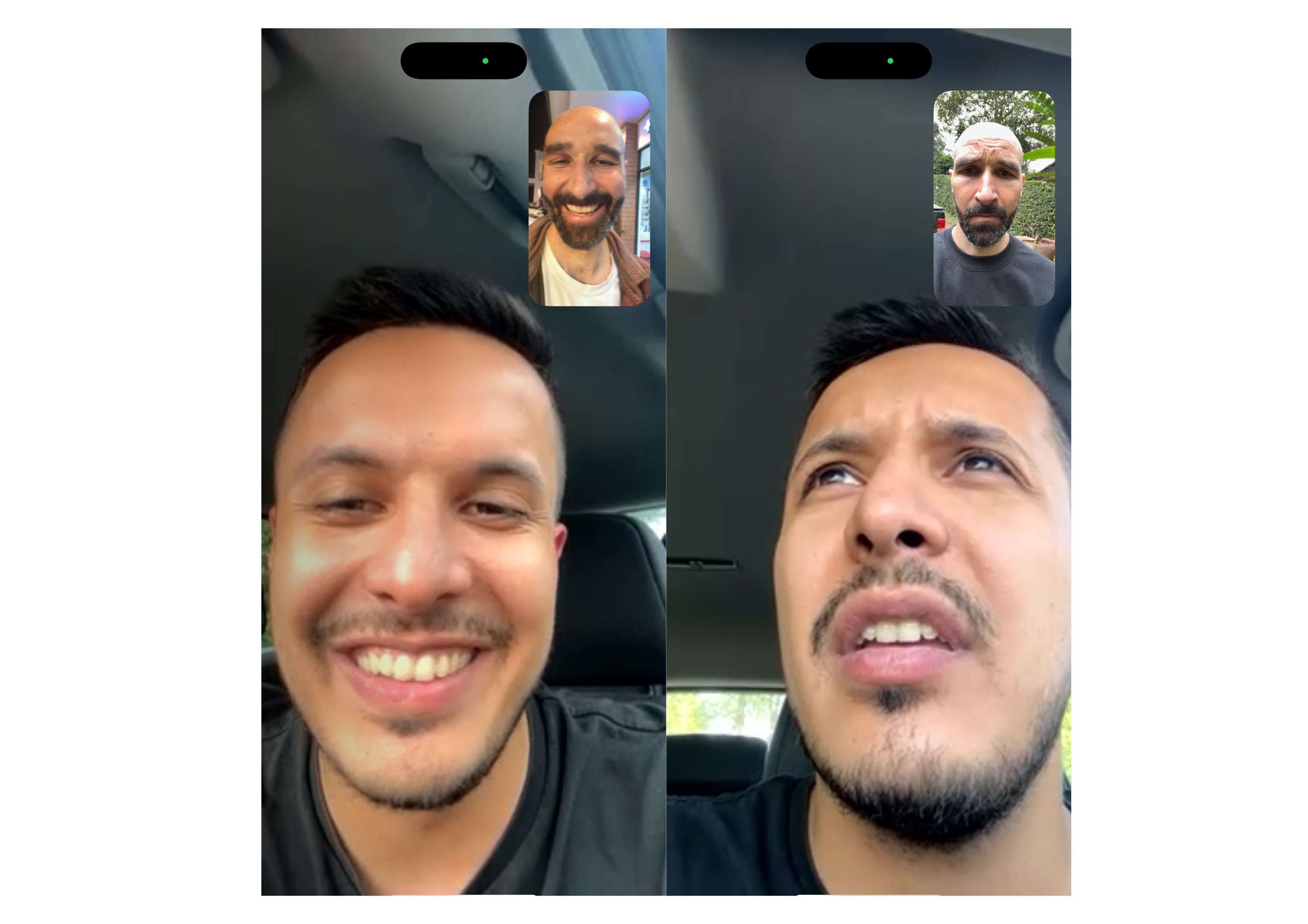
In the feature story I wrote about how my first trip to see Nawras in 2017 fell through. And what I didn’t fully understand back then, but what I think I understand better now, is that the friction wasn’t really about journalism, it was about power. In 2017 Nawras cared about me and felt grateful for things I’d done during his travel to Sweden and so didn’t feel entirely free to say no. He found a way to say it anyway, through his mother, through the situation, but the directness wasn’t there yet.
In 2025, when a family member fell ill and the timing of my trip fell apart, he told me straight up. And when I arrived a month later he set clear boundaries. His mother’s home, for example, doesn’t appear in the story at all because she wasn’t comfortable with it.
I respected that. But I can’t pretend it didn’t hurt at times. Because as a friend it made me feel untrusted, kept at arms length from the fullness of his life. And as a journalist I knew there were elements there, the domestic intimacy, the family dynamics, the care his mother takes packing food for him when he goes to the clinic, that would make the story richer, more textured, more full. Without those things you see Nawras’ professional life. You see the doctor, the student, the young man at work. You don’t see the son, the brother. That frustrated me. And feeling that frustration made me feel like shit because it highlighted the very reasons not to trust me in the first place. It illustrated the very ways I was different from a normal friend.
But that frustration, that friction between respecting his boundaries and wanting more, is maybe one of the more important things about this story. Because in the main piece I argue that arrival, real arrival, is the ability to fully assess and be confident enough in your place to say no. The ability to protect your life because it’s yours to protect. And Nawras’ growing ability to set those boundaries, to decide what I could see and what I couldn’t, to let me in on his terms rather than mine, is itself the evidence of everything the story is about. His boundaries made the story less complete, but they also make the story more demonstrative, more true to him and where he’s at.
Here is a life. His life. Nobody else’s. Not Sweden’s, not Syria’s, not the war’s, not the media’s. And so yeah, in some ways the friendship cannibalizes some of the story, because the power is more equal, because I’m not leveraging hospitality in the same way, because as we get more comfortable with each other, ‘no’ comes more freely. And so those limits, yeah, they’re annoying. The journalist in me doesn’t like them, but the friend in me is thankful for them. It means something is working. It means we’re being honest about the prying part of my journalism and there’s enough trust in our friendship to shut it down. It means Nawras can trust that our relationship can digest disappointment even when that disappointment is itself rooted in a lack of trust.
But I can only describe this from my side. I don’t know what it costs him to navigate the other side of that. To be friends with someone who is also, always, writing about you. To call me a big brother and know that I’m also taking notes.
He was glad I was there. But he was also aware that everything he told me had two audiences. Me and you. And so I think there’s always an additional layer kept up, one membrane of protection between the version of himself he shared with a friend and the version that would end up on the page. And that makes total sense. He’s a young man who has spent much of the last 12 years understanding how precarious life can be and that a lot can be determined by how much you let people in and how much of yourself you give. Who has learned that relationships carry weight, actions have consequences, and that nothing is a given so tread lightly, be deliberate, think it through.
Because I think that warmth is real. But I can also see the ways it would be strategic for it to appear as such. Maybe a journalist who feels like a friend is a journalist more apt to write kindly. A journalist who feels trusted might be a journalist more inclined to protect you. And Nawras is smart enough to know that even if he’s never consciously put his finger on it.
Because I myself feel my own version of that. I understand the currency of that warmth. And I hate that. God I hate that. Because I know that when I check in on his mom or ask about his sister or send him a message on a random Tuesday just to see how he’s doing I mean it, every single time, but I can’t pretend like it also doesn’t maintain something, keep a channel open, keep him feeling safe enough to let me in, and I don’t know where the caring stops and the maintaining begins. And I don’t think there’s a line. They are the same thing because I’m the same person. And so I go out of my way to ensure he understands me as fair, as honest, as truly a friend, which in itself, may be its own act of dishonesty.
Since I left Sweden, life has kept going for both of us. Nawras graduated. He landed his internship. He’s a doctor now, and I am proud of him in a way that has absolutely nothing to do with this story and everything to do with the fact that I have watched this kid become a man, watched him go after a dream that he’s had since he was 13, watched him work and struggle and fight for it, every piece of it, and made it happen. He’s done it. And that is rare.
We message. We talk. And he’ll read this. He’ll have thoughts I’m sure. And we’ll chat, and the conversation may be complicated, because I’ll have done the whole thing all over again. I’ll have written about him, about us, about the difficulty of writing about him. Because this piece will itself be another act of turning our friendship into material, and there may be some stumbling or even quiet recognition in the complex nature of our conversation when we speak, some acknowledgment that I can’t write about the complexity of our relationship without adding to it. That I can’t add to our relationship without contemplating how I’m going to write about it. That I’m always inside it all, friendship and story, and how he knows that.
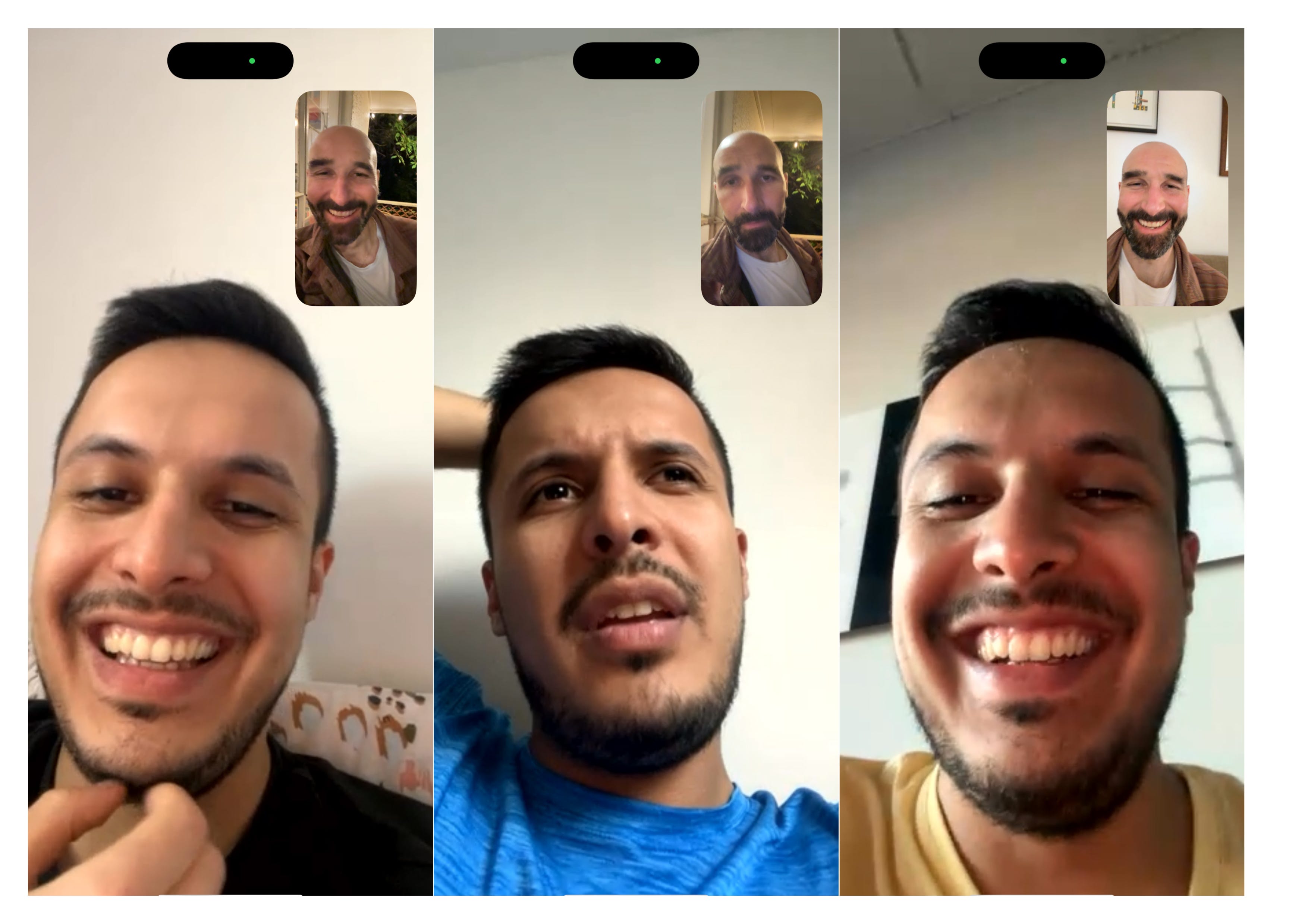
And that’s the thing about not leaving. The story doesn’t end because the friendship doesn’t end and the friendship doesn’t end because somewhere along the way, between the port in Sicily and the clinic in Vimmerby, between the boy who needed to borrow my phone and the man who bought me dinner last time we hung out, it stopped being straight journalism and started being life, started being something shared. It was always both. But knowing Nawras the way I do, having watched his life unfold over a decade rather than glimpsed in an afternoon, has widened the aperture a little, and so there’s more light, more depth behind the person sitting across from me, the full weight of a life that exists before I arrive and will carry on long after I leave.
And if I’m really being honest that kinda fucks with me because it also lets me see how shallow my understanding has sometimes been, how tied to me, master-of-my-own-movie, it’s been. How I have treated people as characters in a story I’m writing first and people in a life second. Not out of malice but necessity, speed. Out of the limits of what a stranger can know in the time a story allows.
But Nawras gave me time. And with that I got to see someone move from character to friend, friend to whole person with a complicated life, and back to character, back to friend. And seeing the porosity of those personas makes me ever so slightly more aware of how much I miss, how much life and complexity and depth is always going on in the background of what I can see. How much work I have yet to do.


